 Buying guide
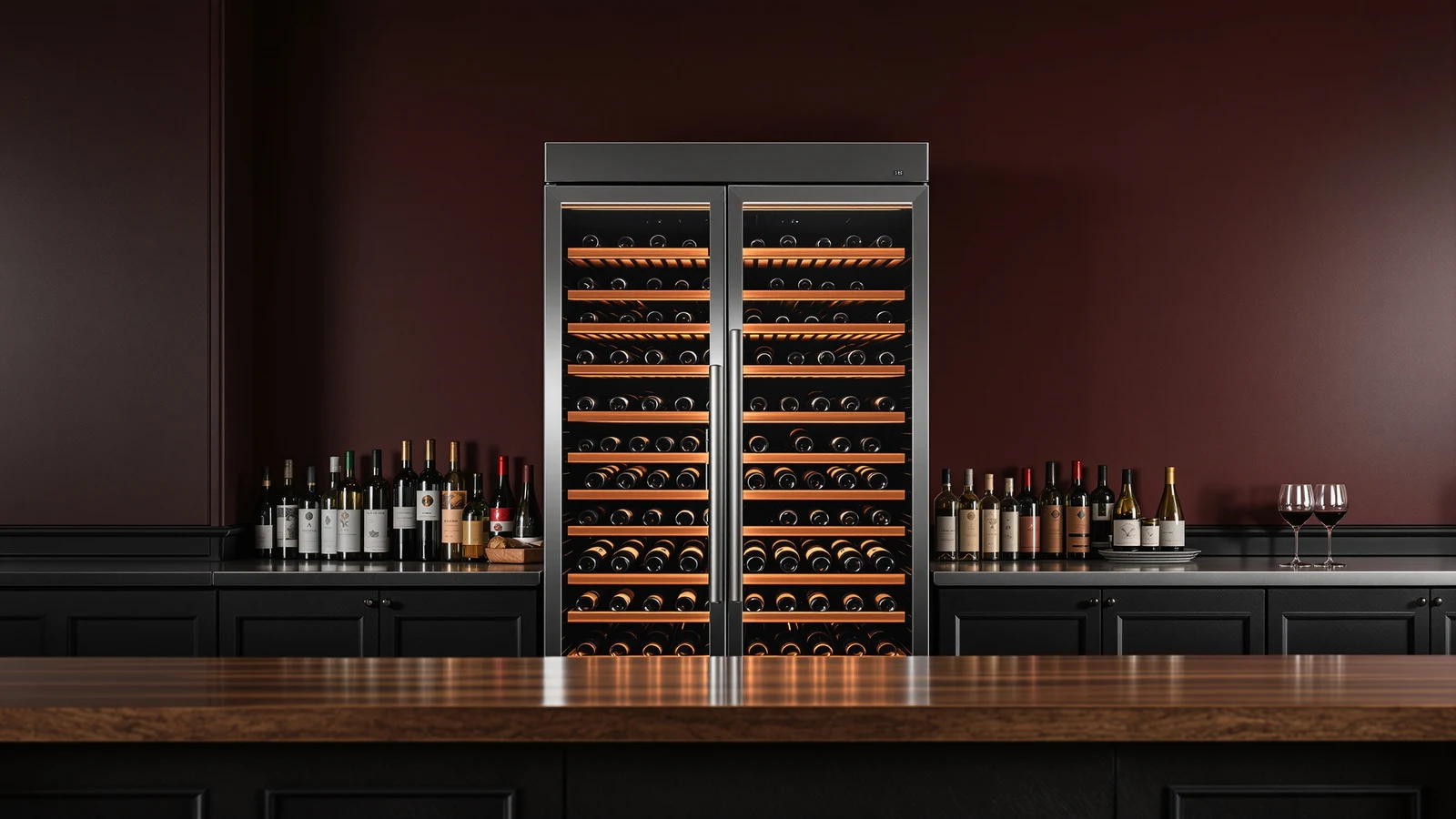
The Best Wine Fridges for Restaurants and Small Bars
Commercial use means constant door-opening, longer duty cycles and a lock that actually matters. The cabinets built to take it, at prices below true commercial equipment.
 Troubleshooting
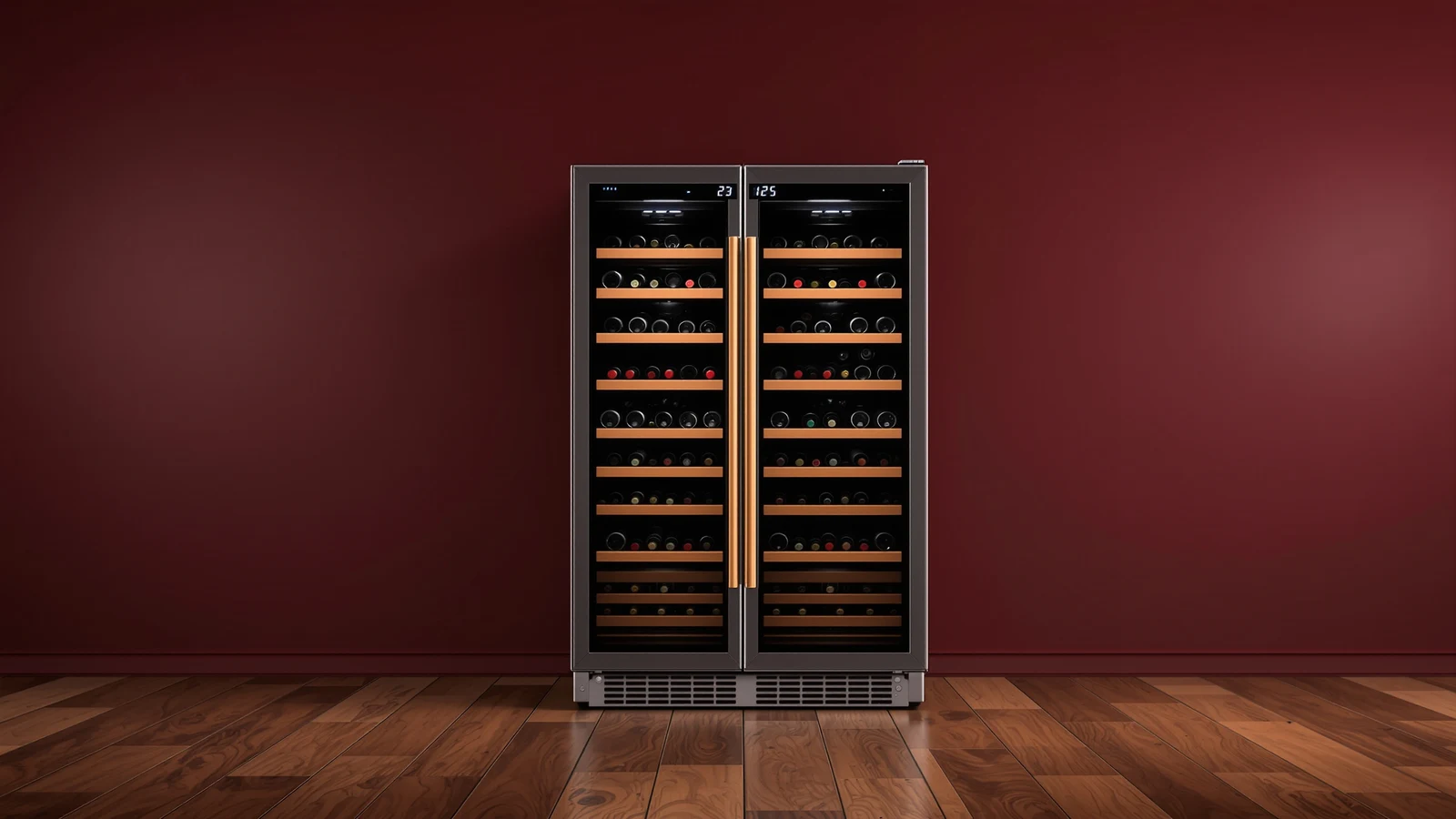
Wine Fridge Error Codes and Blinking Display Lights, Explained
An E1, a flashing temperature readout or a blinking alarm icon usually means something specific and fixable. Reading the panel before assuming the compressor is dead.
 Buying guide
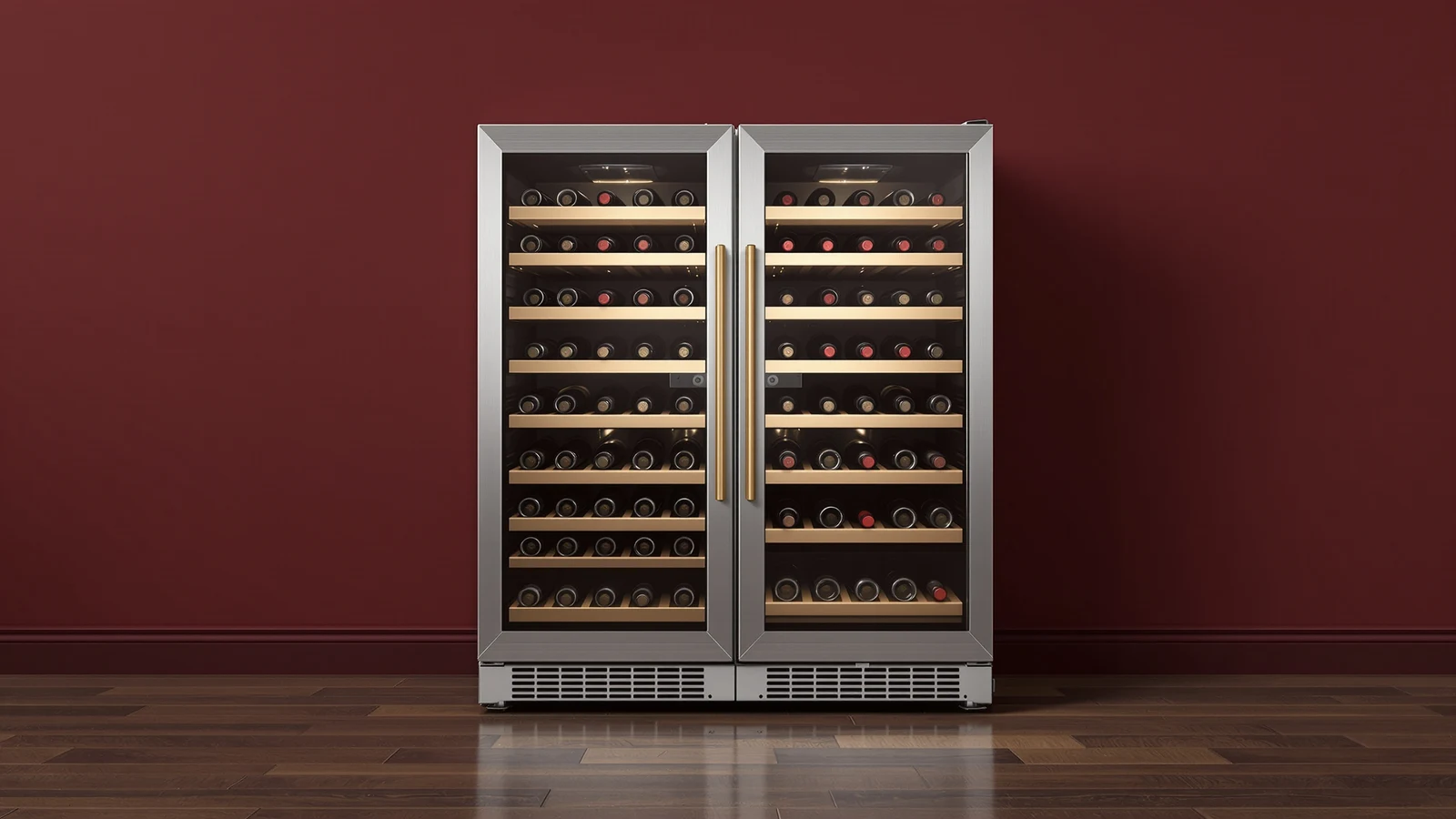
The Best Wine Fridges Under $500 for a Growing Collection
Past the $300 budget tier, $400 to $500 buys real compressor cooling and a genuine dual zone. Where that extra money actually goes.
 Comparison
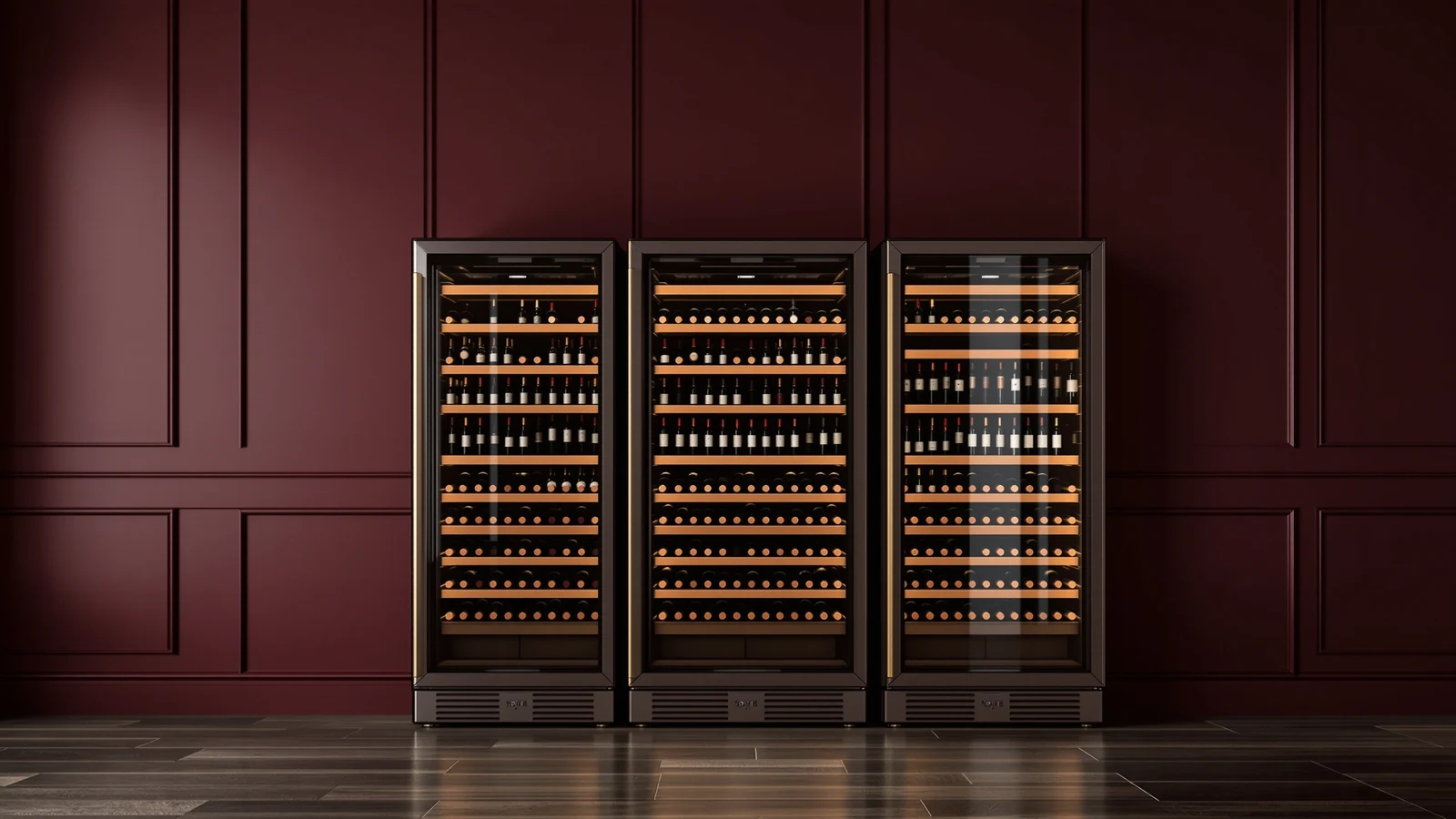
12-Inch vs 15-Inch vs 24-Inch Wine Fridge: Choosing the Right Width
Width decides where a wine fridge can physically go before bottle count enters the conversation. What each size class is actually built for.
 Troubleshooting
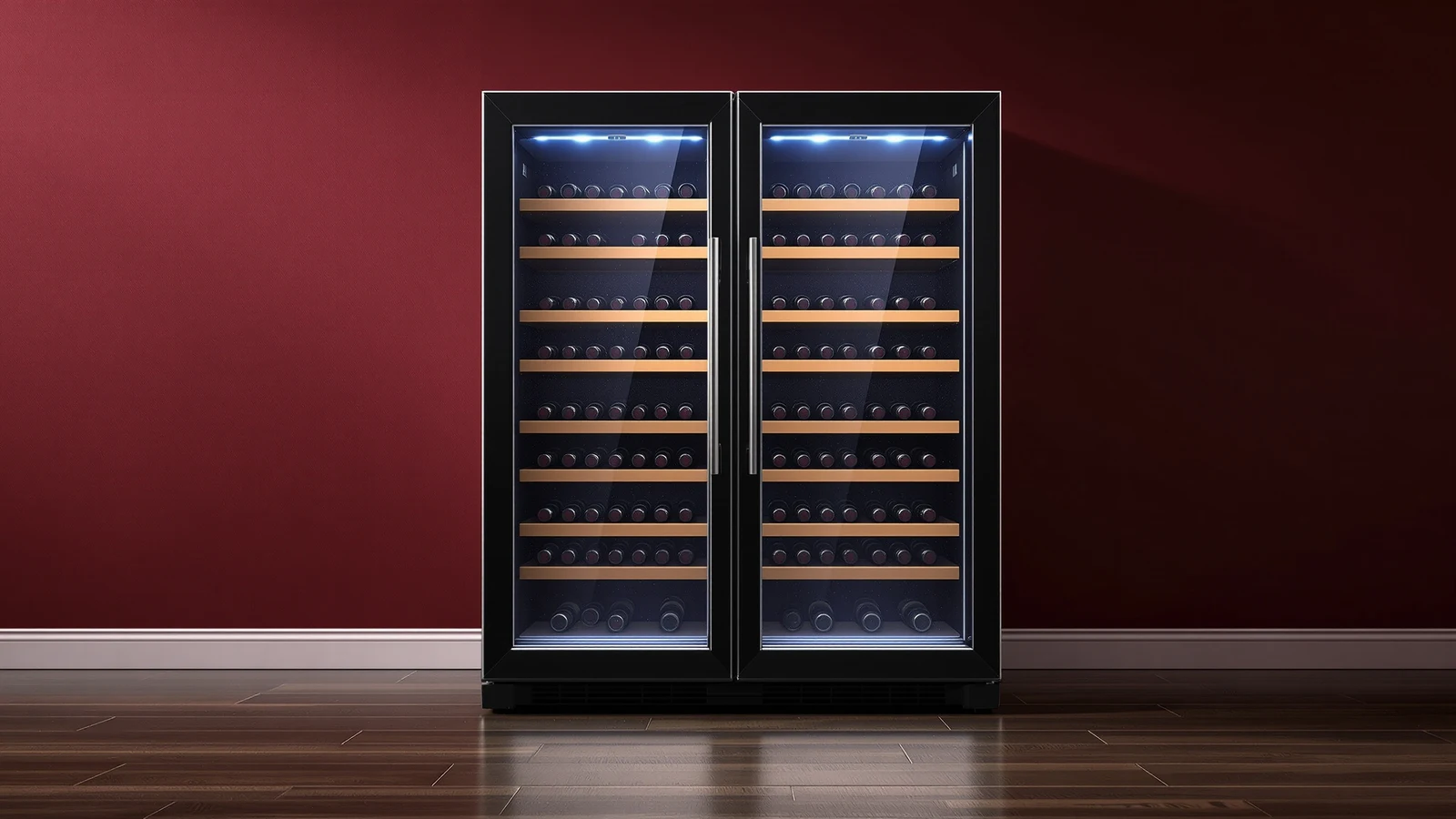
Wine Fridge Condensation and a Foggy Glass Door: What It Means
Fog between the panes is a different problem than fog on the outside. One is cosmetic, one means the seal has failed. How to tell them apart before you call it broken.
 Buying guide
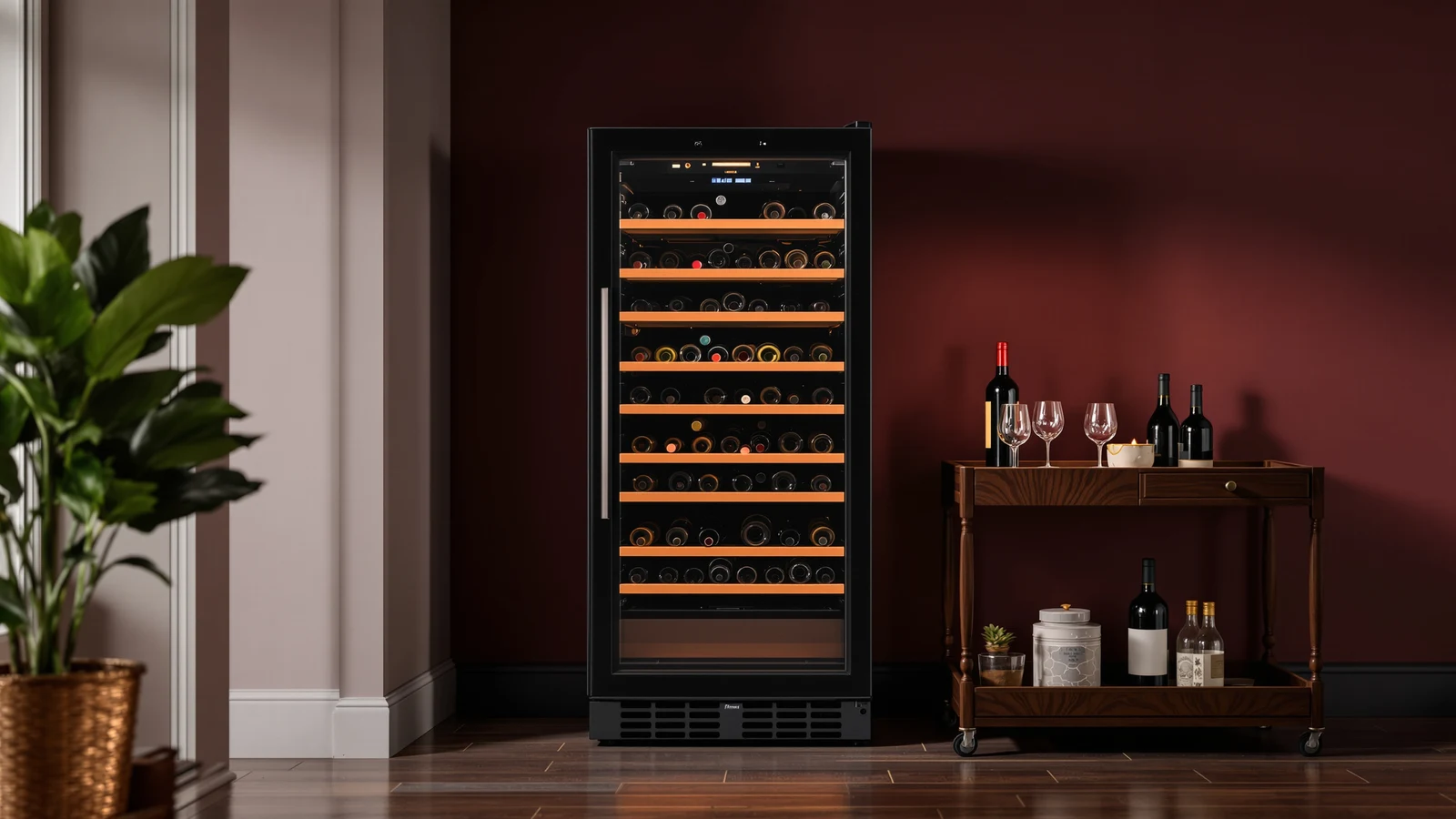
The Best Wine Fridges for a Home Bar
A home bar gets opened constantly during a party, not once a week. The units built for that duty cycle — visible storage, a lock, and enough capacity to survive a gathering.
 Buying advice
The Wine Fridge Buying Checklist: What to Check Before You Click Buy
Bottle count, zone count, venting type, noise level, door swing and warranty — the six specs that decide whether a listing is right for your space, checked in order.
 How-to
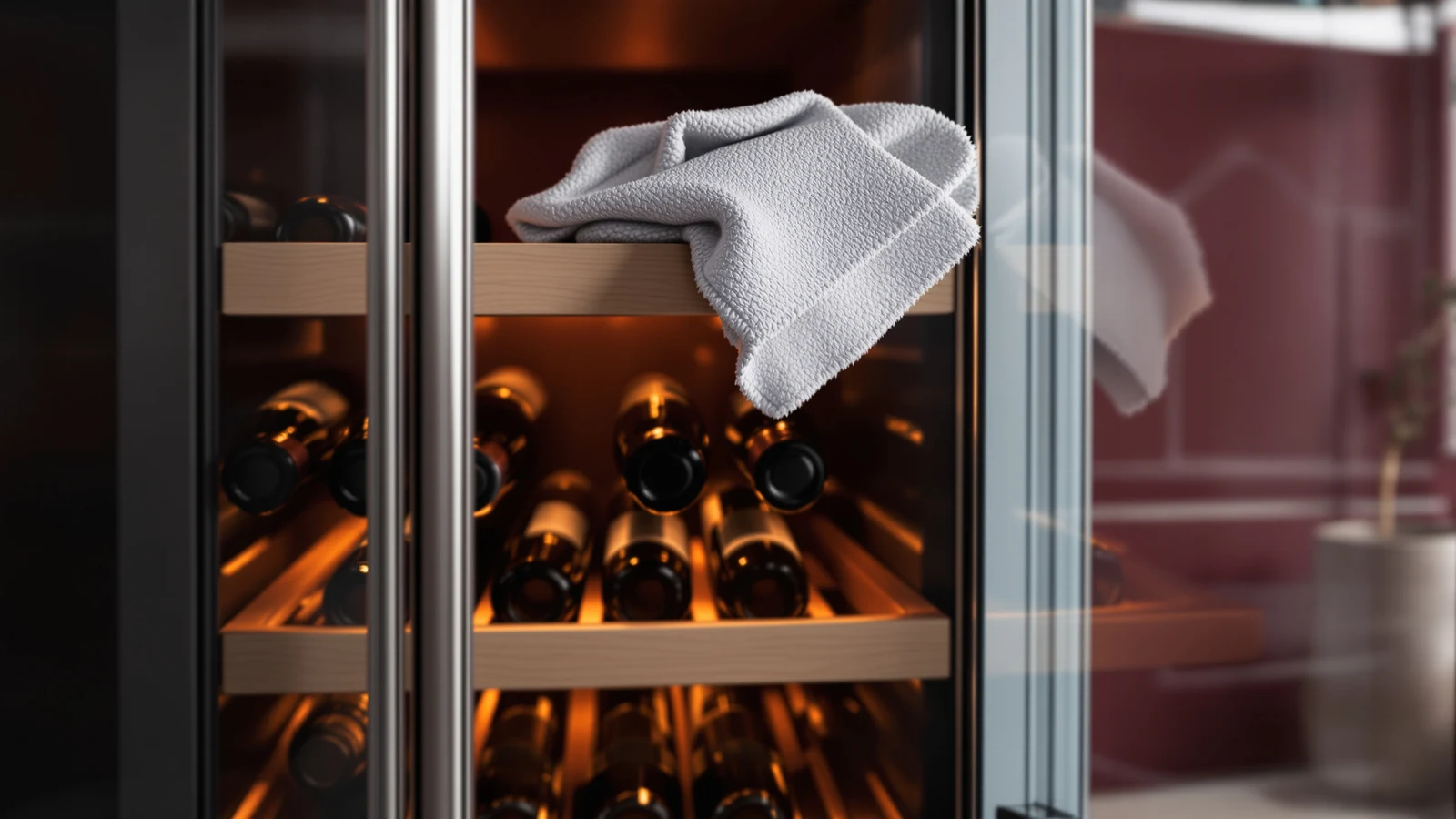
How to Clean and Maintain a Wine Fridge
A wine fridge is a sealed, humid box that runs for years without a filter change. The maintenance that actually prevents mold, a failed door seal and a dying compressor.
 Buying guide
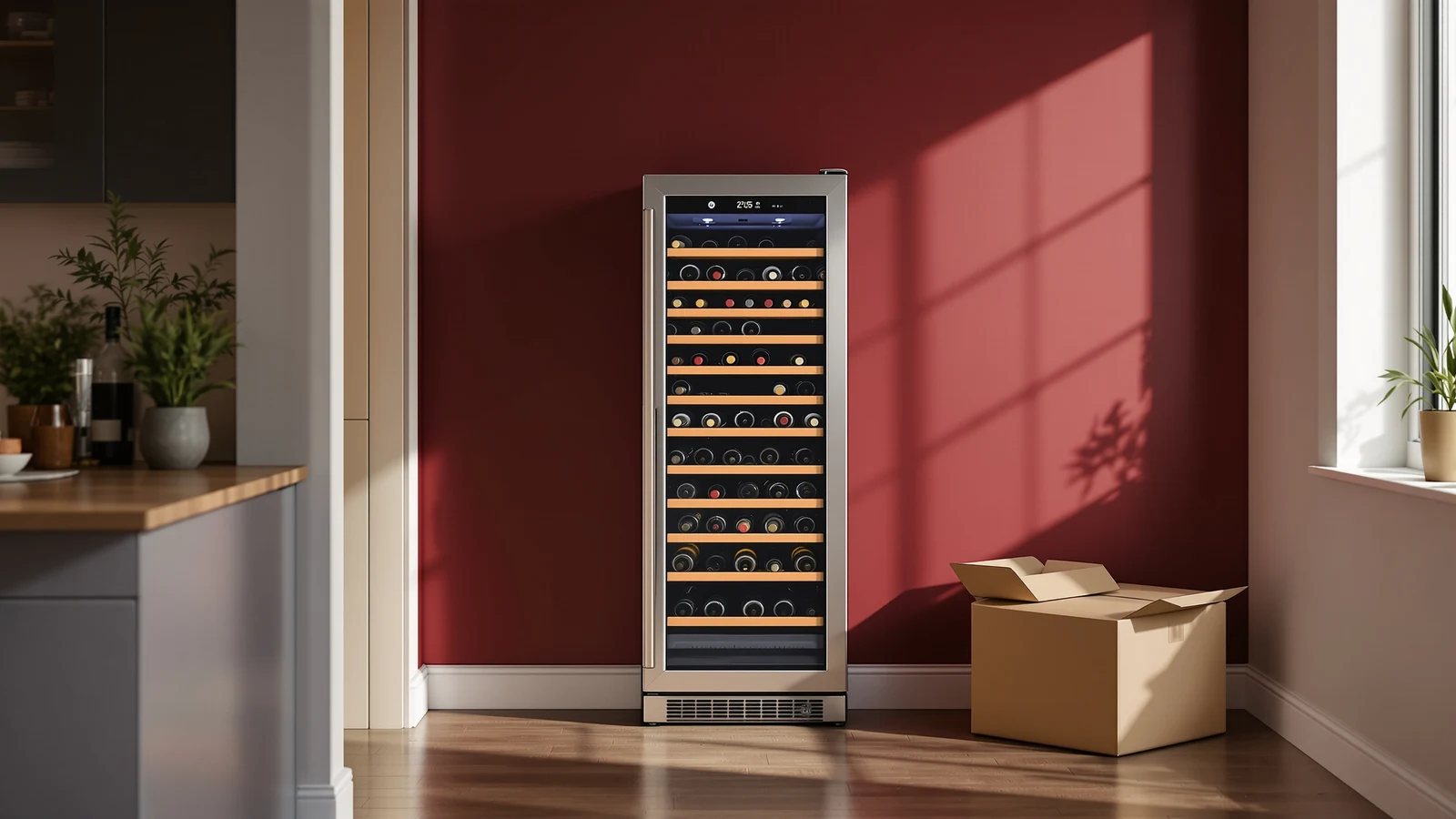
The Best Wine Fridges for Apartments and Rentals
No cabinet cutout, no electrician, no landlord approval needed. The freestanding units that work in a rented kitchen and move with you when the lease ends.
 How-to
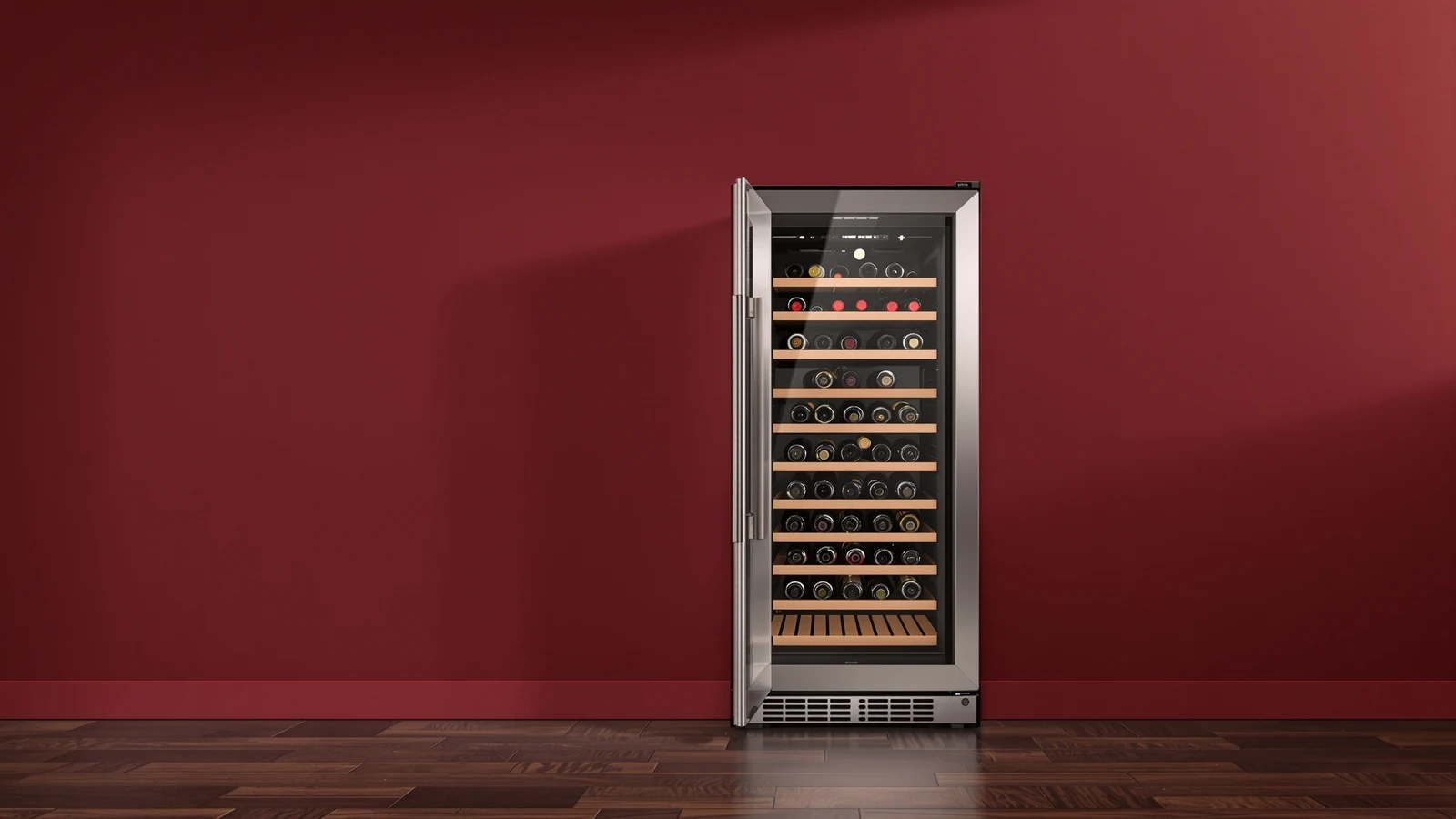
Wine Fridge Door Hinge: Left, Right, or Reversible — Does It Matter?
A hinge on the wrong side blocks a walkway or a cabinet handle for years. What 'reversible door' actually means, and when to buy left- or right-hinged instead.
 Buying guide
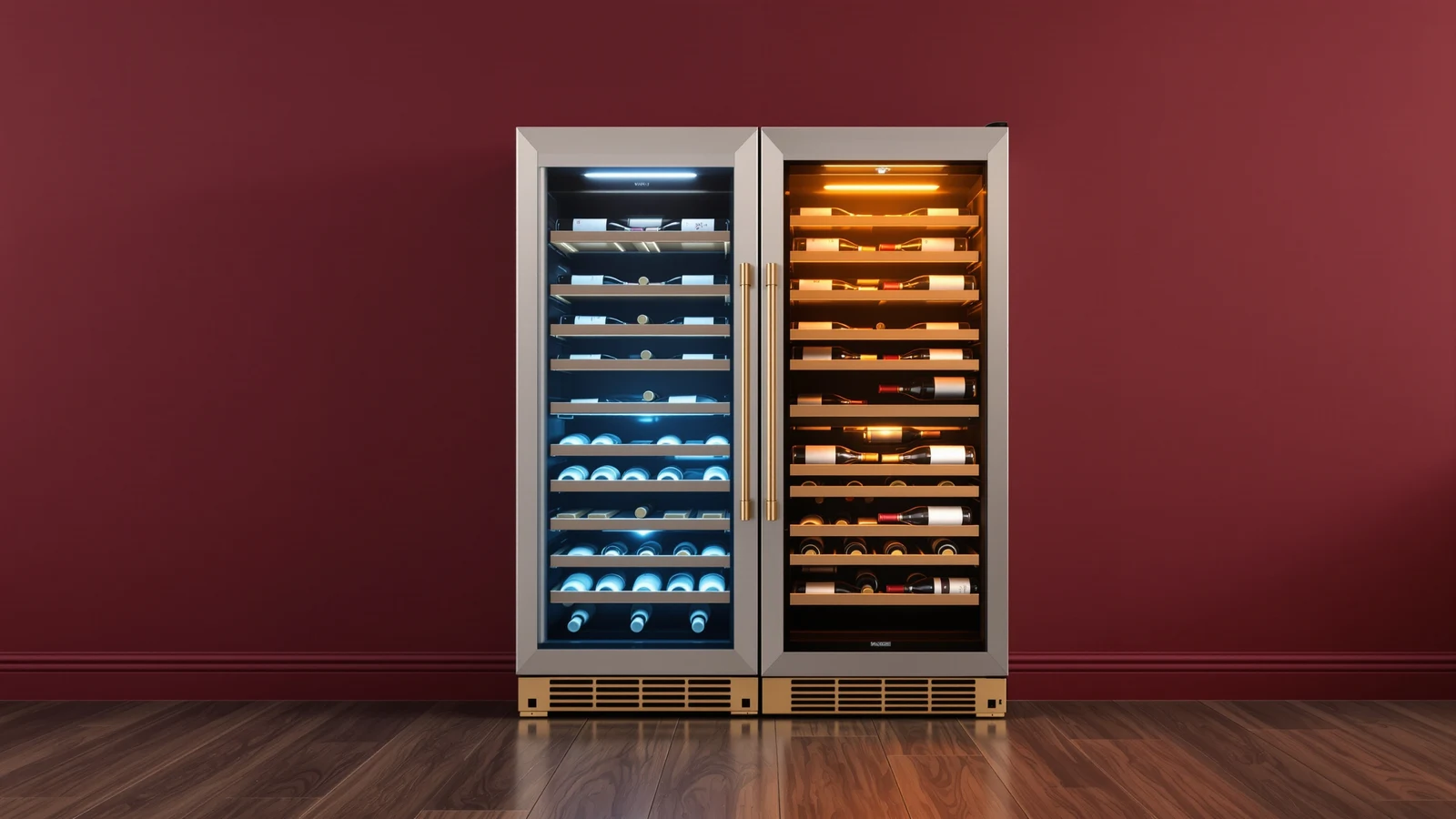
The Best Wine Fridges for White Wine and Chilled Whites
Whites want a genuinely cold zone, not just 'less warm than the reds side.' The dual-zone units whose low-end setpoint actually reaches serving temperature for Sauvignon Blanc and rosé.
 Buying advice
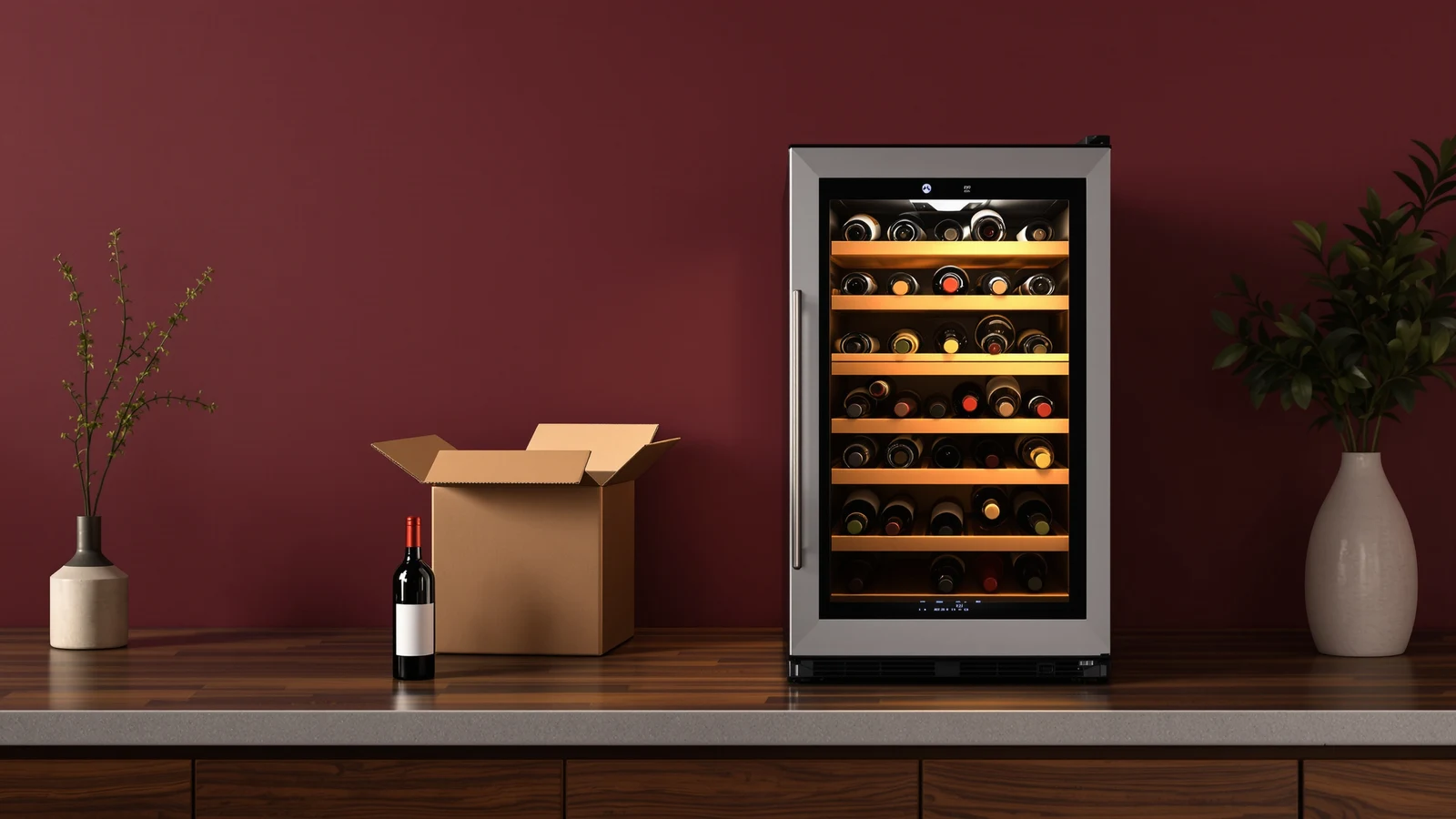
The Best Wine Fridges for a Wine Club or Subscription Box
A case a month means twelve new bottles arriving before the last case is gone. The units built for turnover, not just long-term storage, and the shelf layout that survives it.
 Buying advice
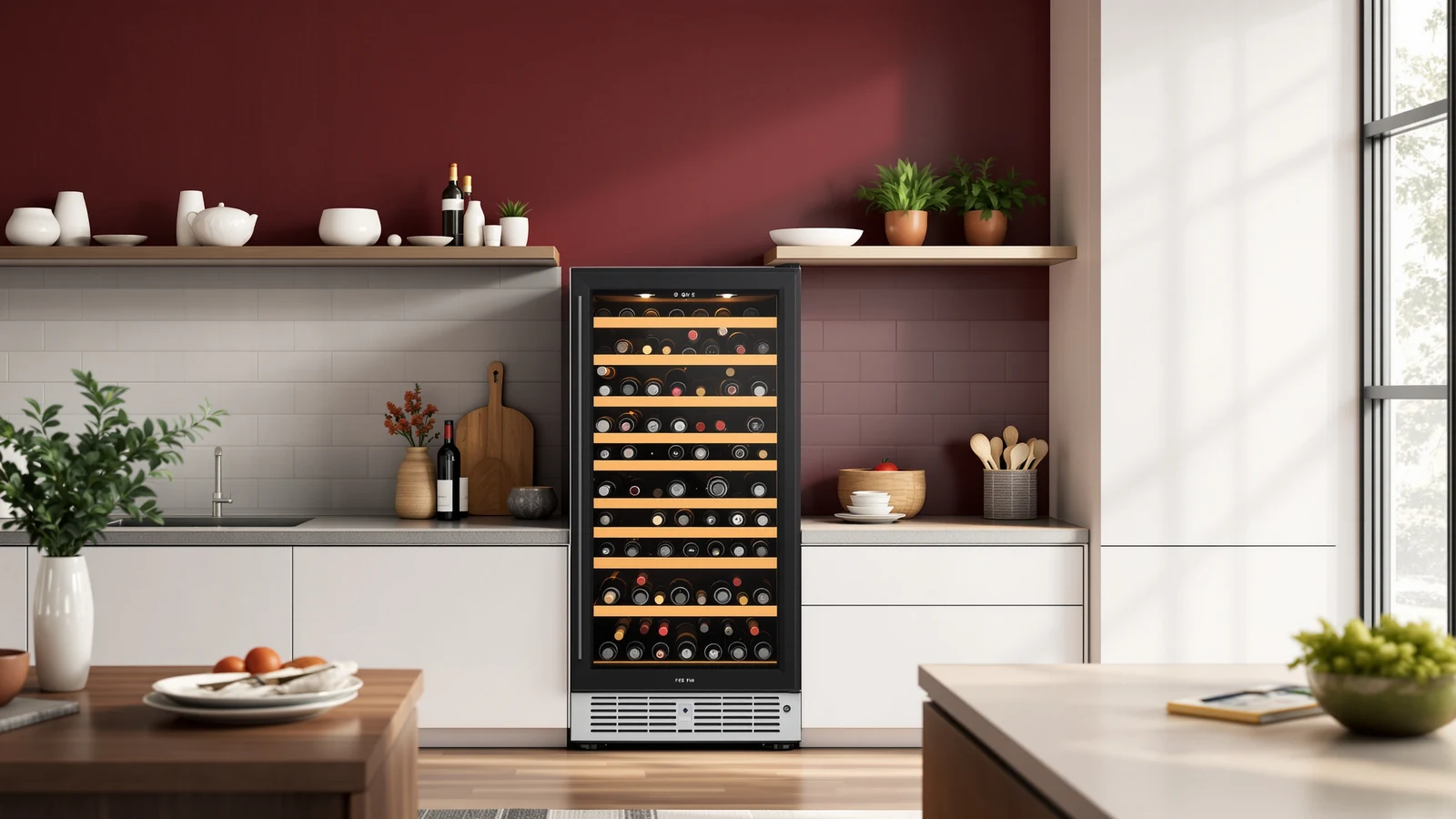
The Best Wine Fridges for Your First Wine Collection
Before you know your own habits, the smartest cabinet is a forgiving one: a wide temperature range, simple controls, and enough headroom to not be replaced in a year. Where to start.
 How-to
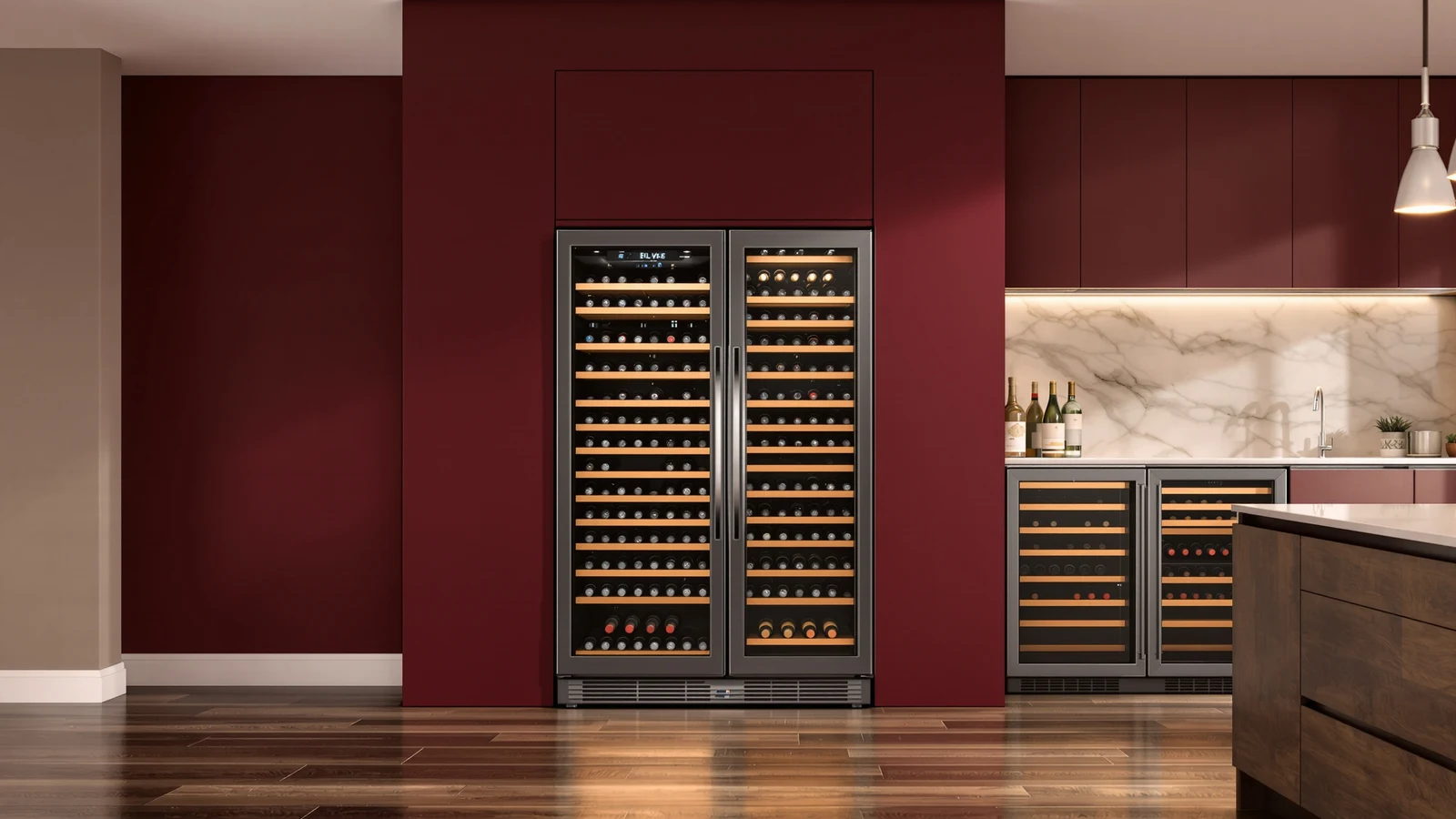
Wine Fridge Ventilation and Placement: The Clearance Rules That Actually Matter
A rear-venting freestanding unit against a wall and a front-venting built-in in an open cabinet fail for opposite reasons. The clearance each one actually needs, in inches.
 Buying guide
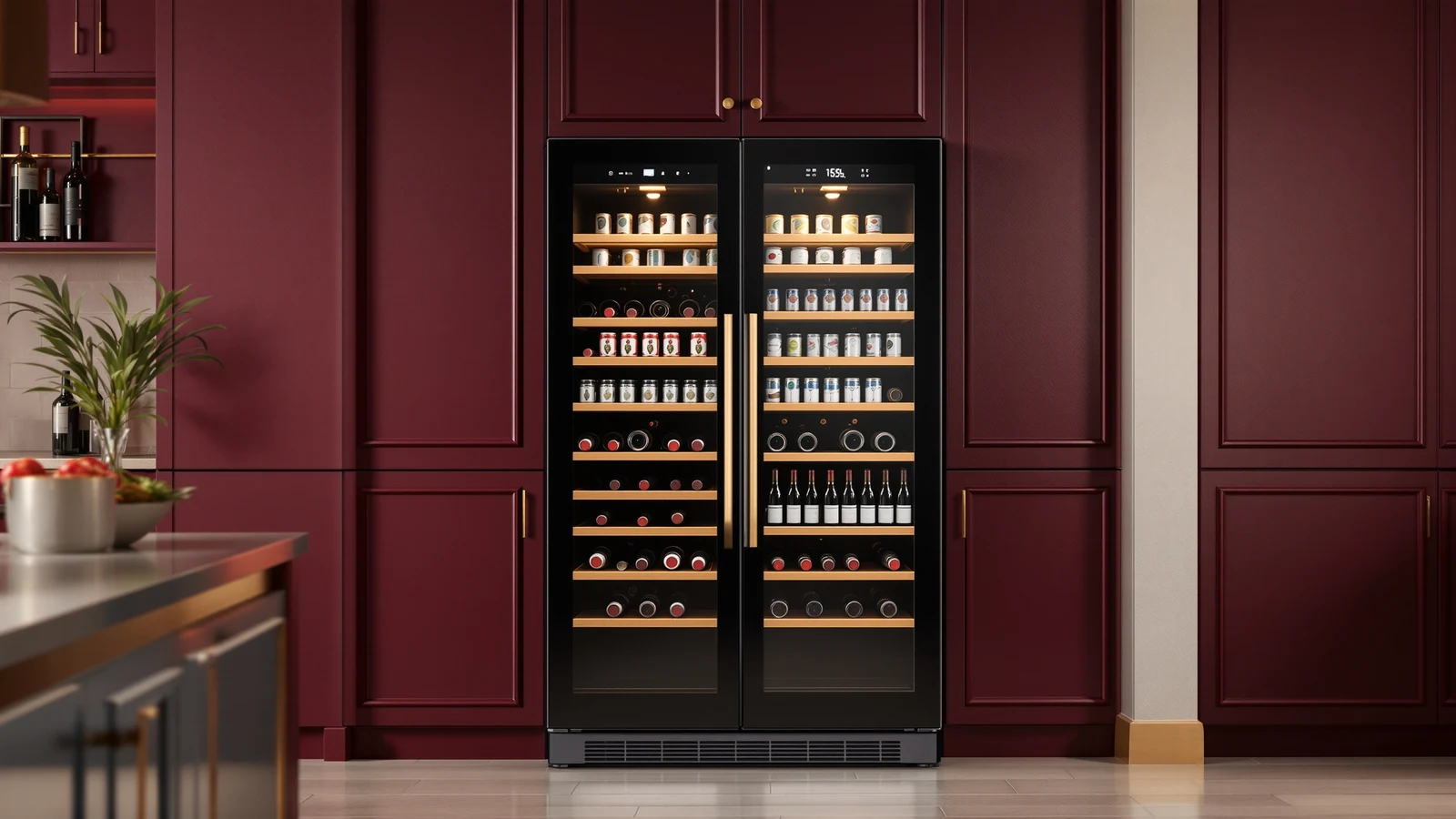
Best Wine Fridges With Digital Touch Control and Power-Outage Memory
A touch panel that remembers its setpoint after a blackout matters more than it sounds — a cabinet that defaults to a random temperature after every outage is quietly re-cooling wine that never needed it. The units that actually hold the setting.
 Buying guide
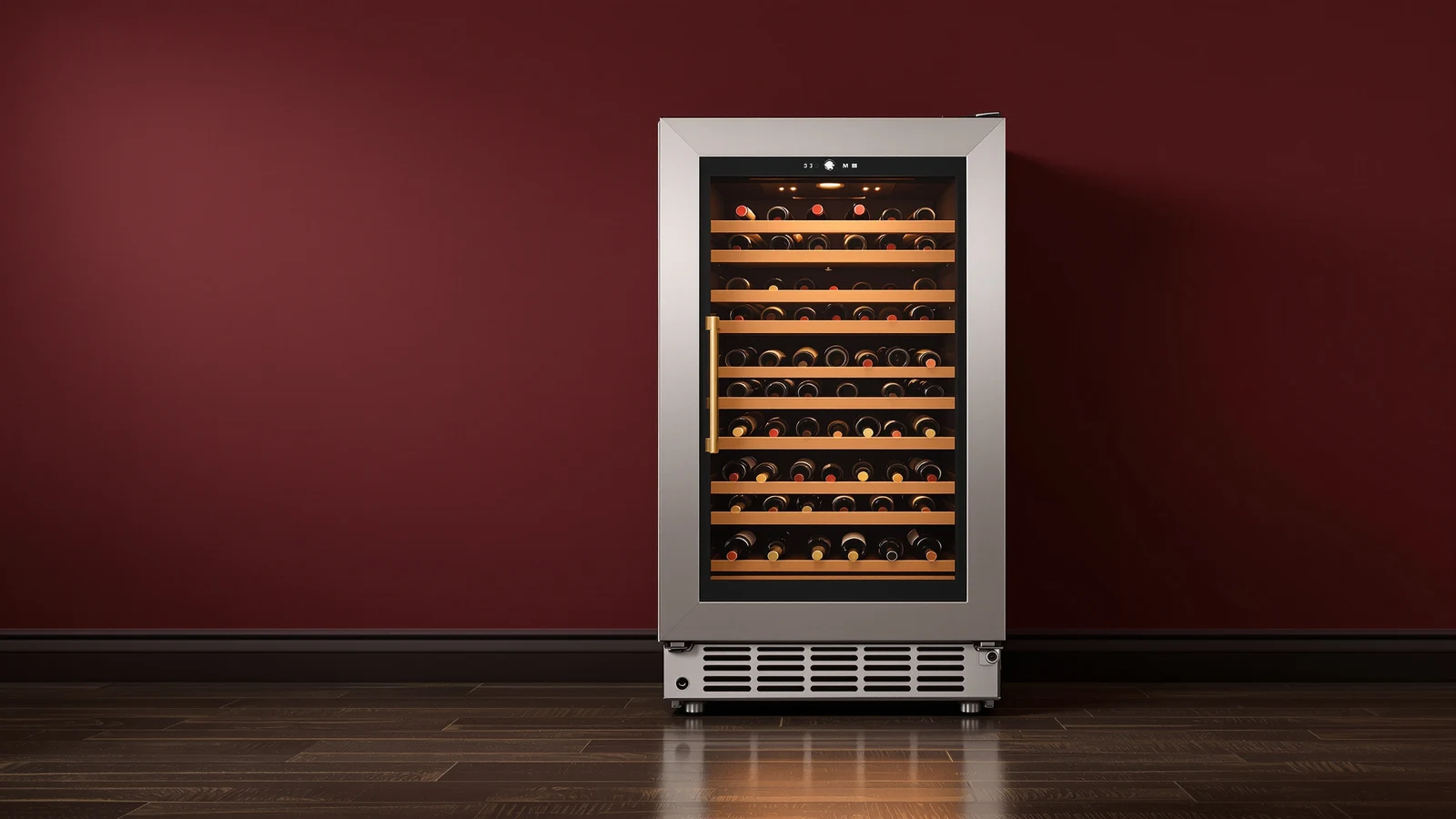
The Best Compressor-Only Wine Fridges
For readers who already decided compressor cooling is non-negotiable, the units that deliver it at three very different sizes and prices — no thermoelectric hybrids, no compromise on the ambient temperature ceiling.
 Buying guide
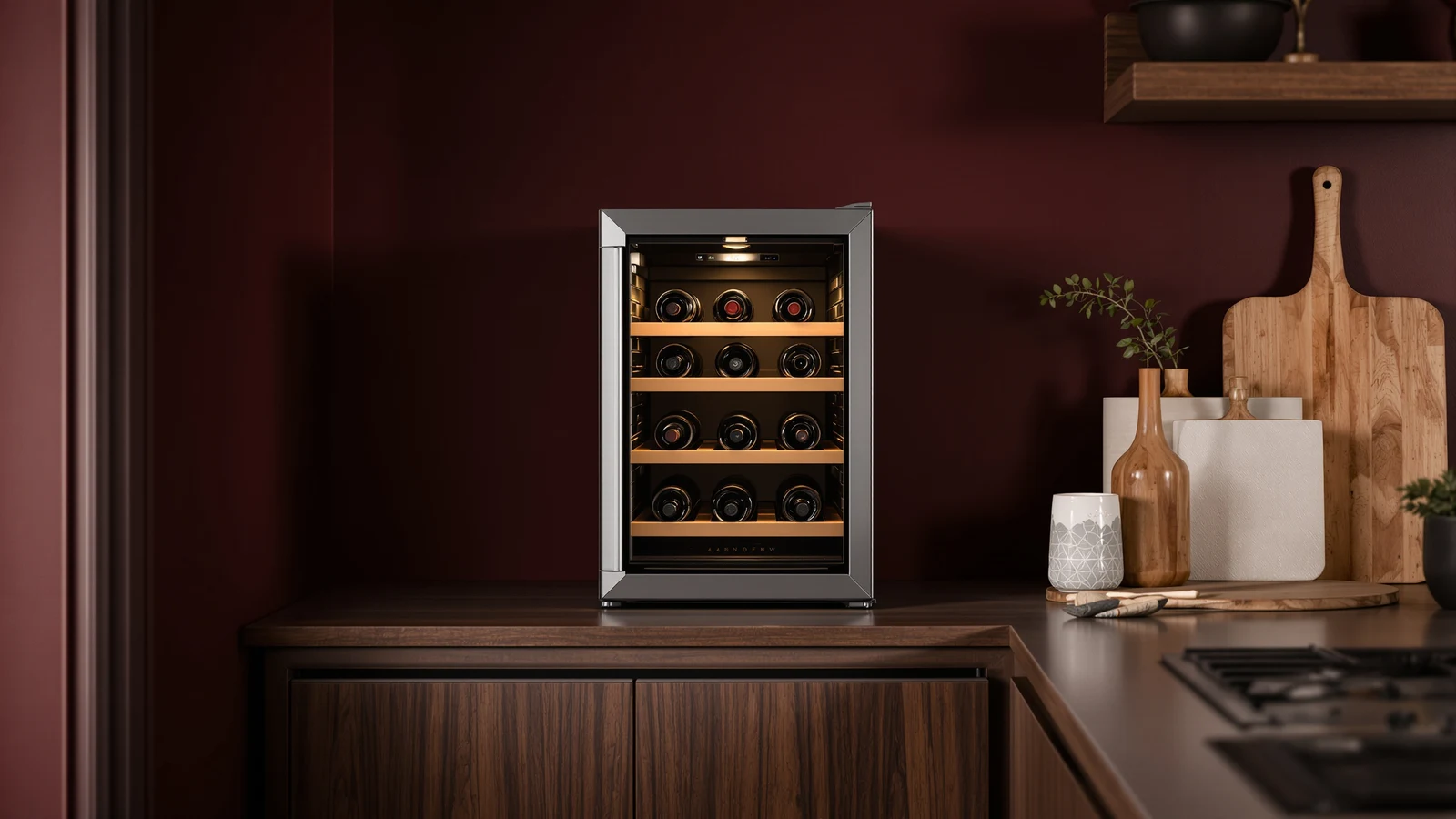
The Best Wine Fridges Under 20 Bottles for Small Spaces
A dorm room, a studio kitchen or a narrow counter does not have room for a cellar. The compact units that hold a genuinely useful dozen-plus bottles without eating the whole counter.
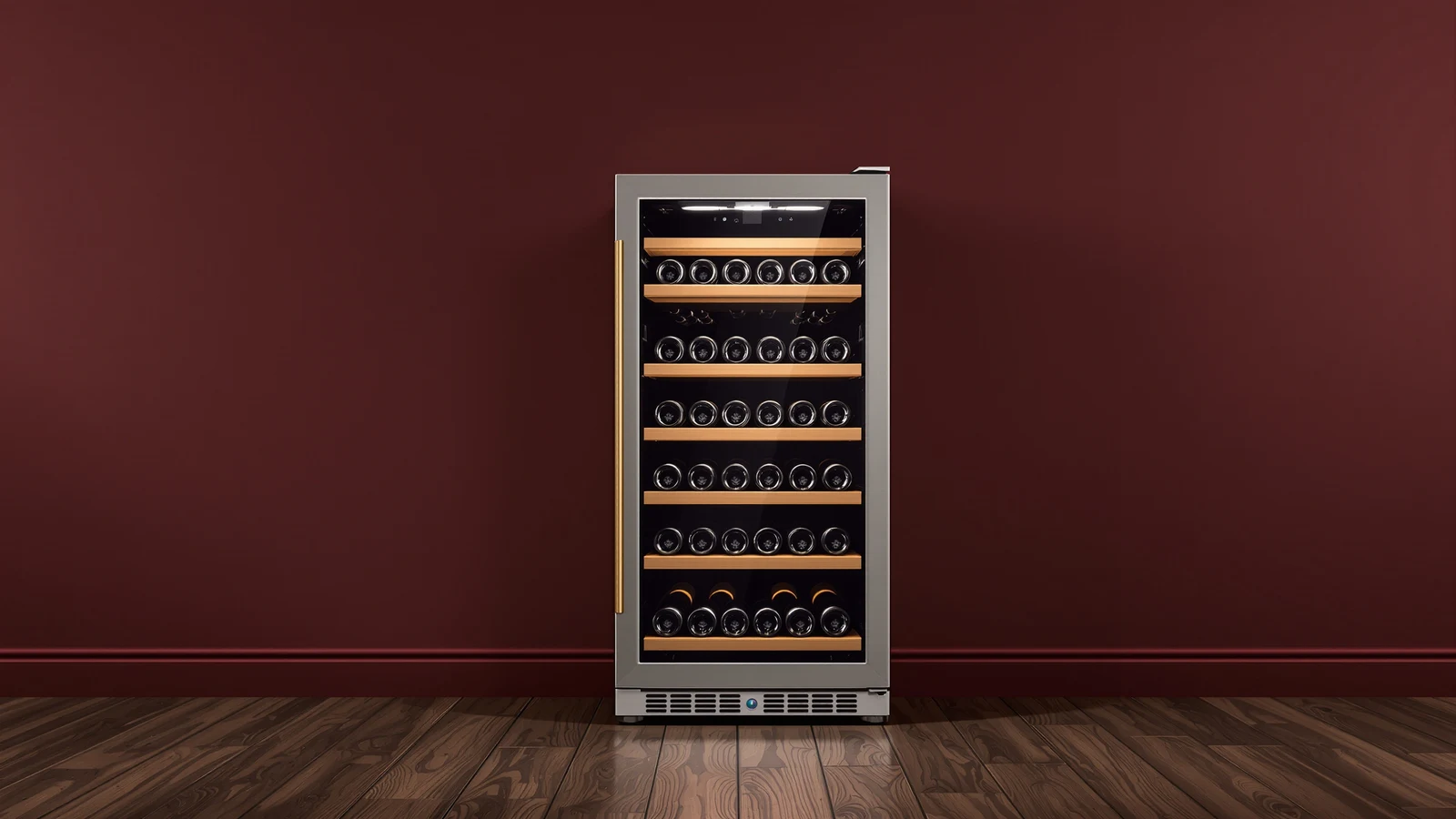 Roundup
The Best Single Zone Wine Fridges
One zone, one setpoint, and usually more bottles per dollar than a dual-zone equivalent. The honest case for buying simple, and the picks that make it work.
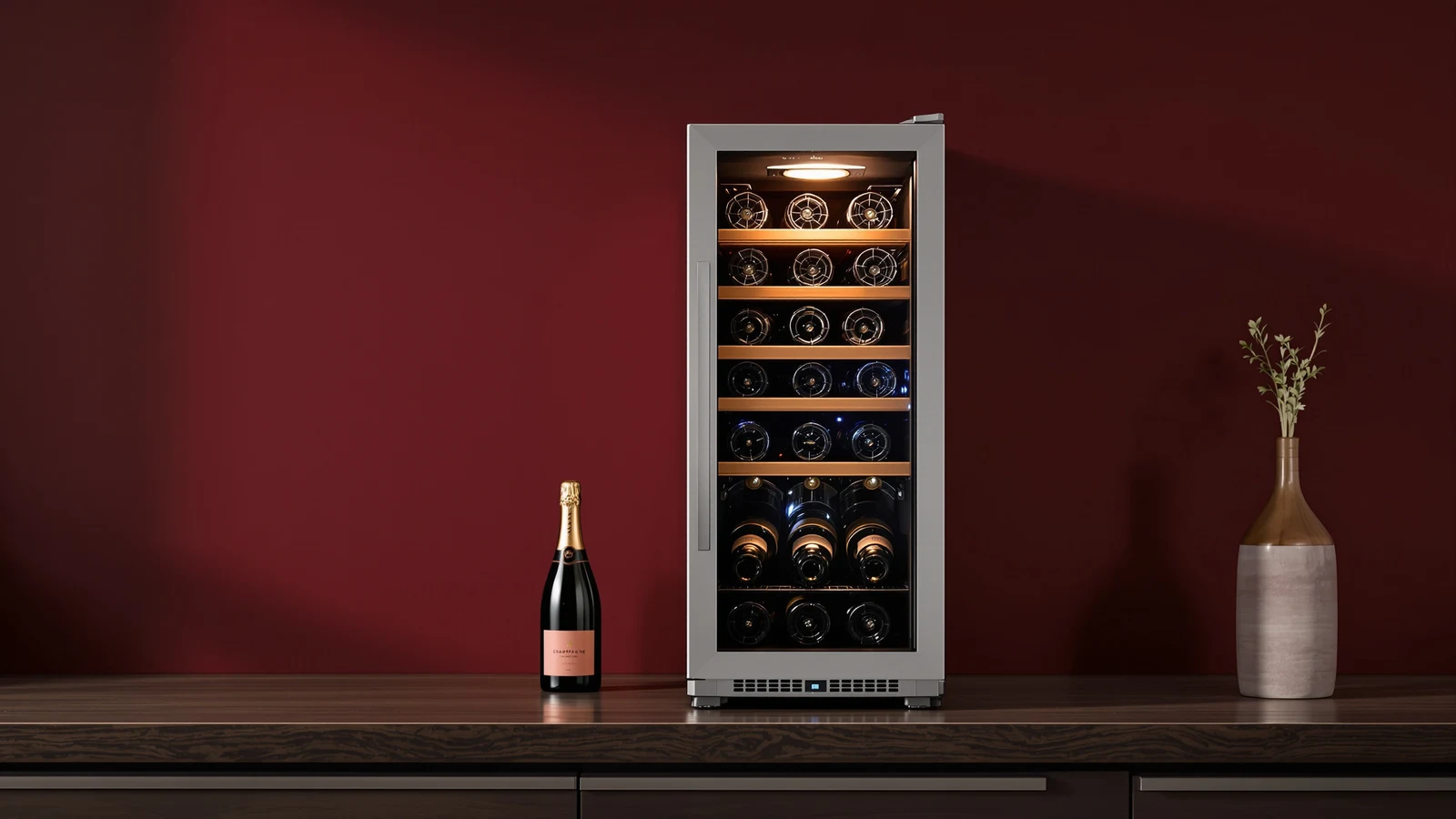 Roundup
Best Wine Fridges for Champagne and Sparkling Wine
Most 'wine fridges' are built for still wine and just happen to reach a cold enough setting for Champagne. The units that actually hold a bottle at pouring temperature, and the shelf design that keeps a heavy sparkling bottle from tipping.
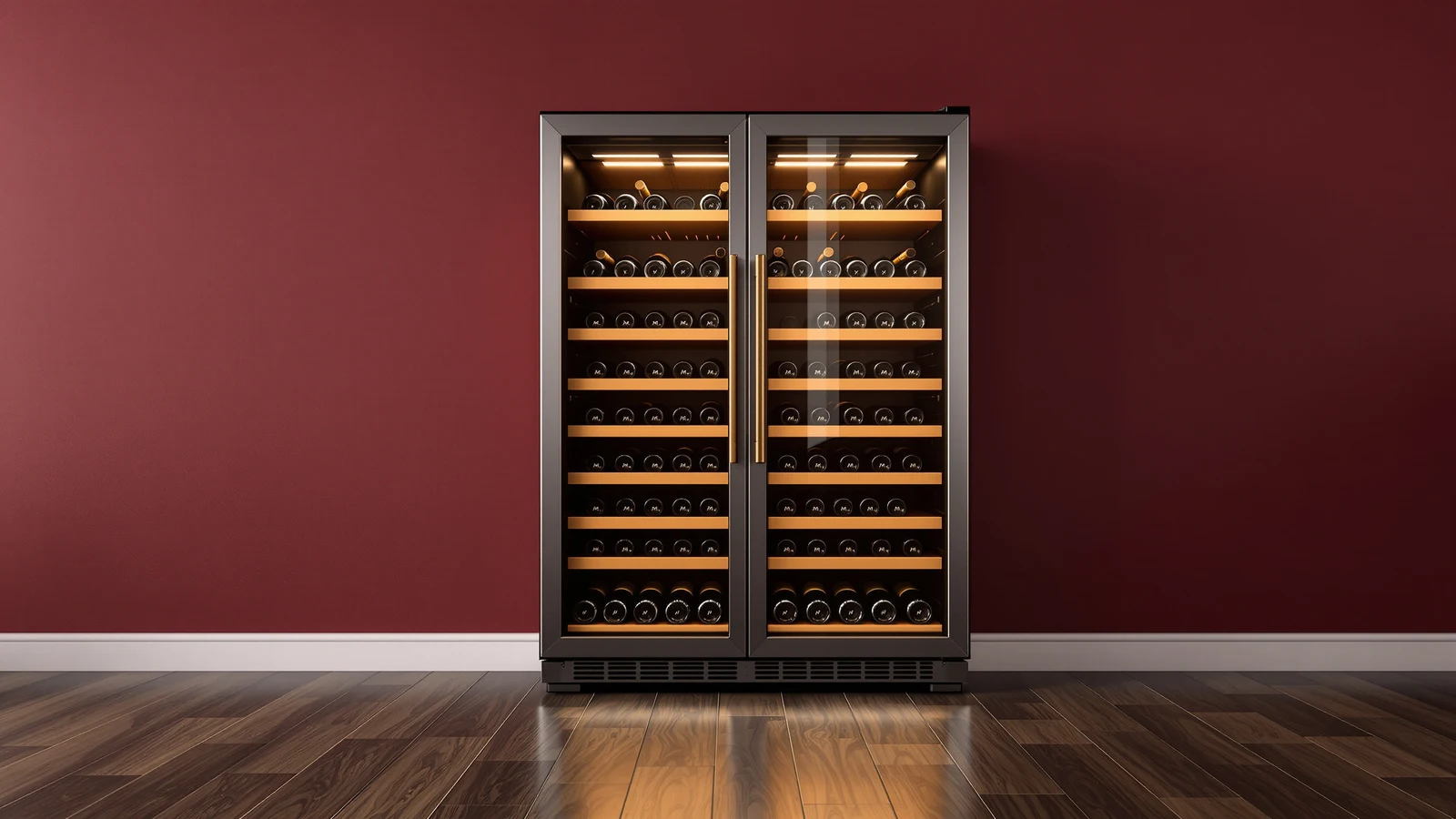 Buying guide
Best Wine Fridges With UV-Protected Glass Doors
A UV-resistant glass door blocks light, not heat, and the two problems it actually solves are narrower than the marketing suggests. Which cabinets genuinely protect a collection, and where the claim runs out.
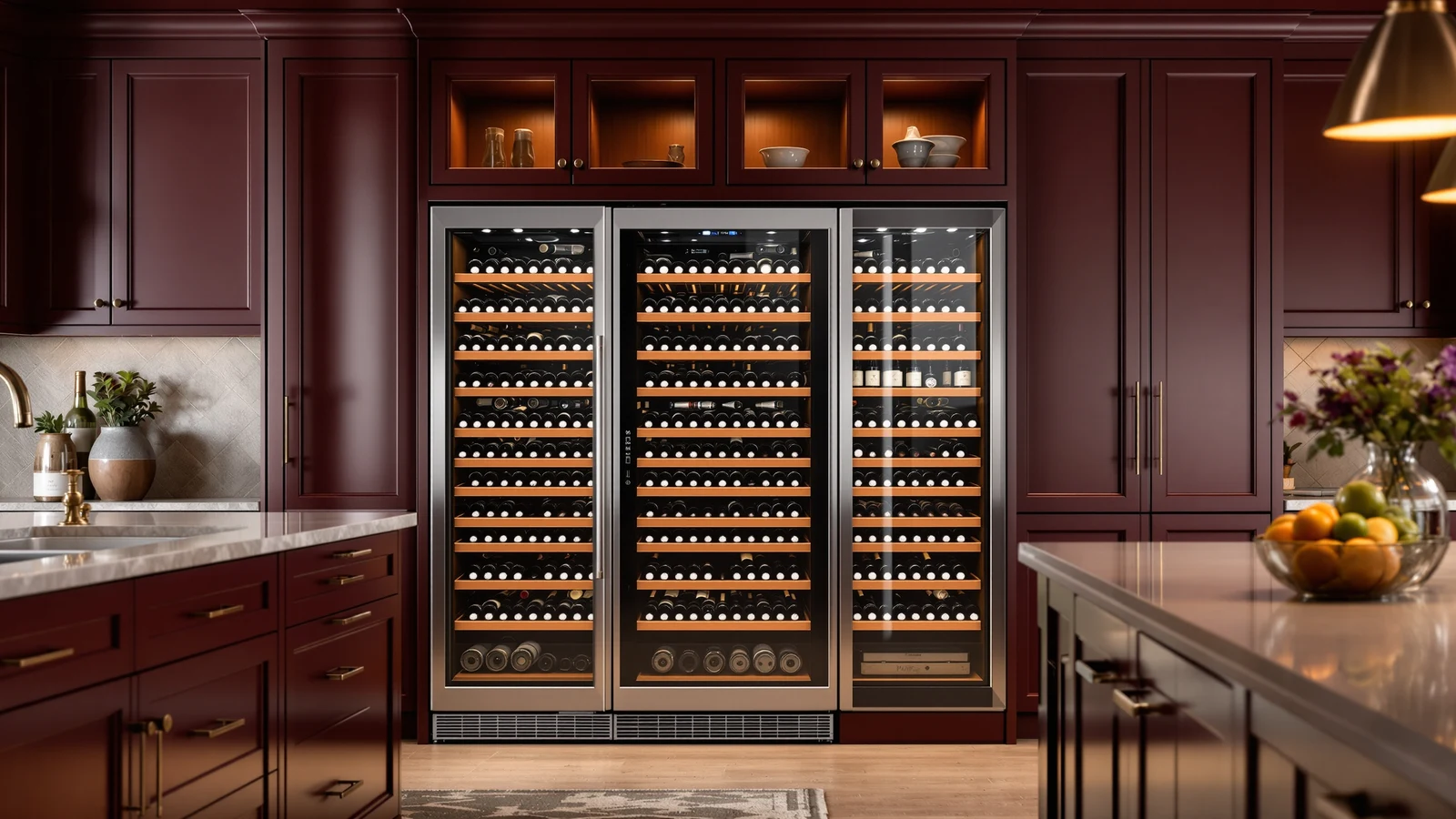 Buying guide
The Best 30-Inch Wine Fridges
The width where a cabinet stops being furniture and starts being an appliance run.
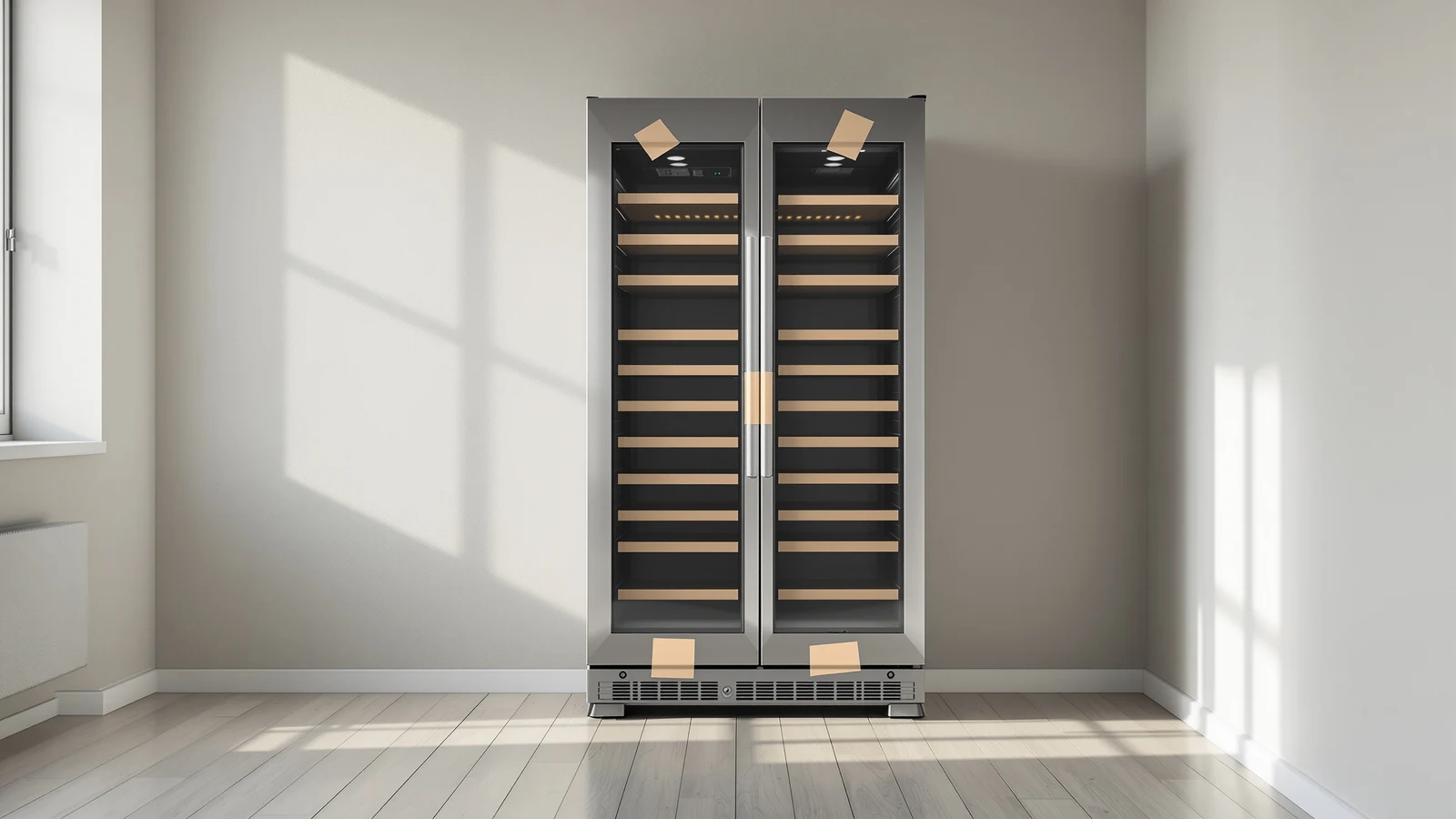 How-to
How to Move a Wine Fridge (and Restart It Safely)
A compressor cabinet moved upright and switched on immediately can be ruined in a minute.
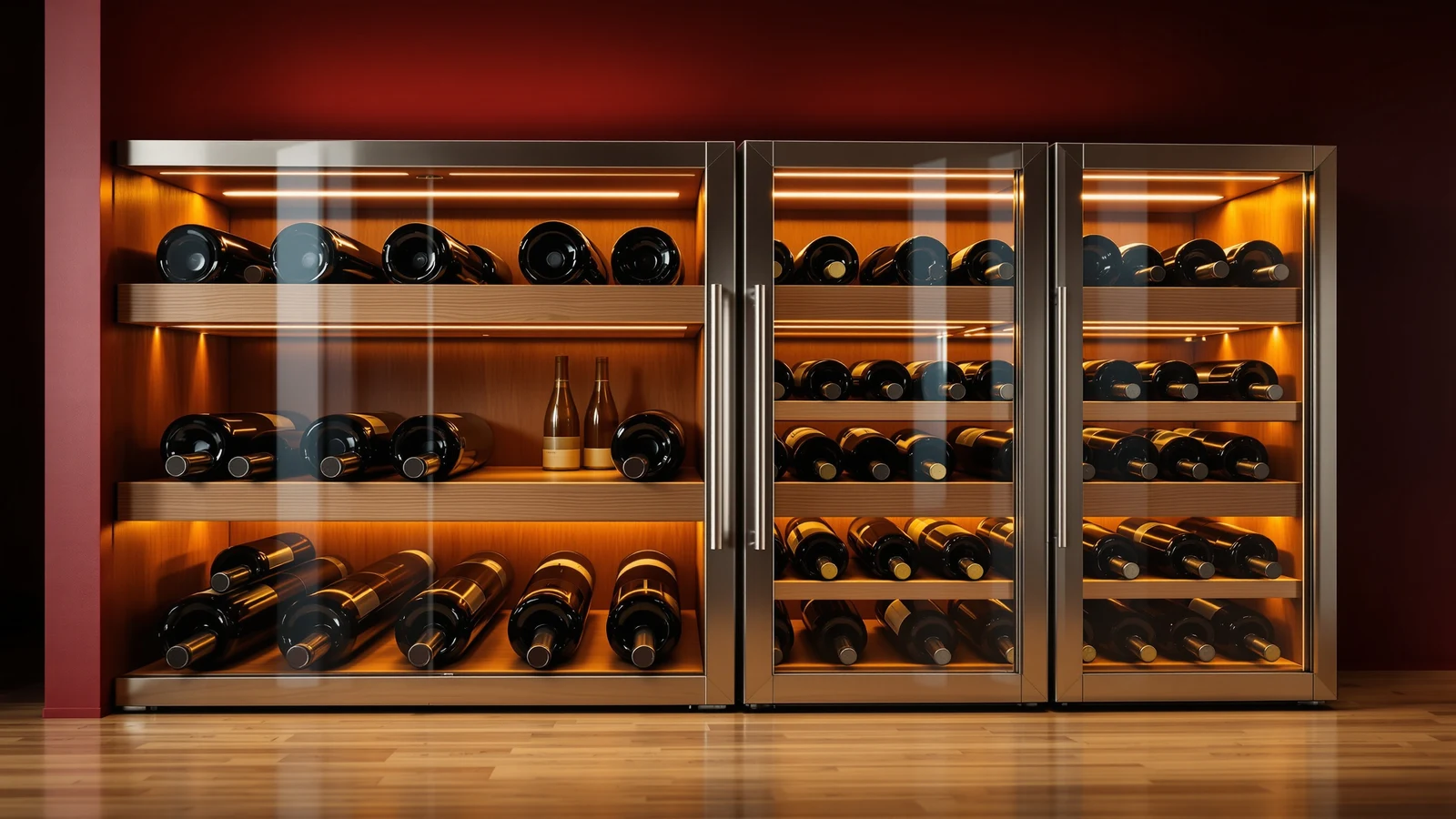 Guide
GuideWine Fridge Shelving: Wood or Wire, and Why It Matters
Shelving decides how many bottles actually fit and whether the fat ones fit at all.
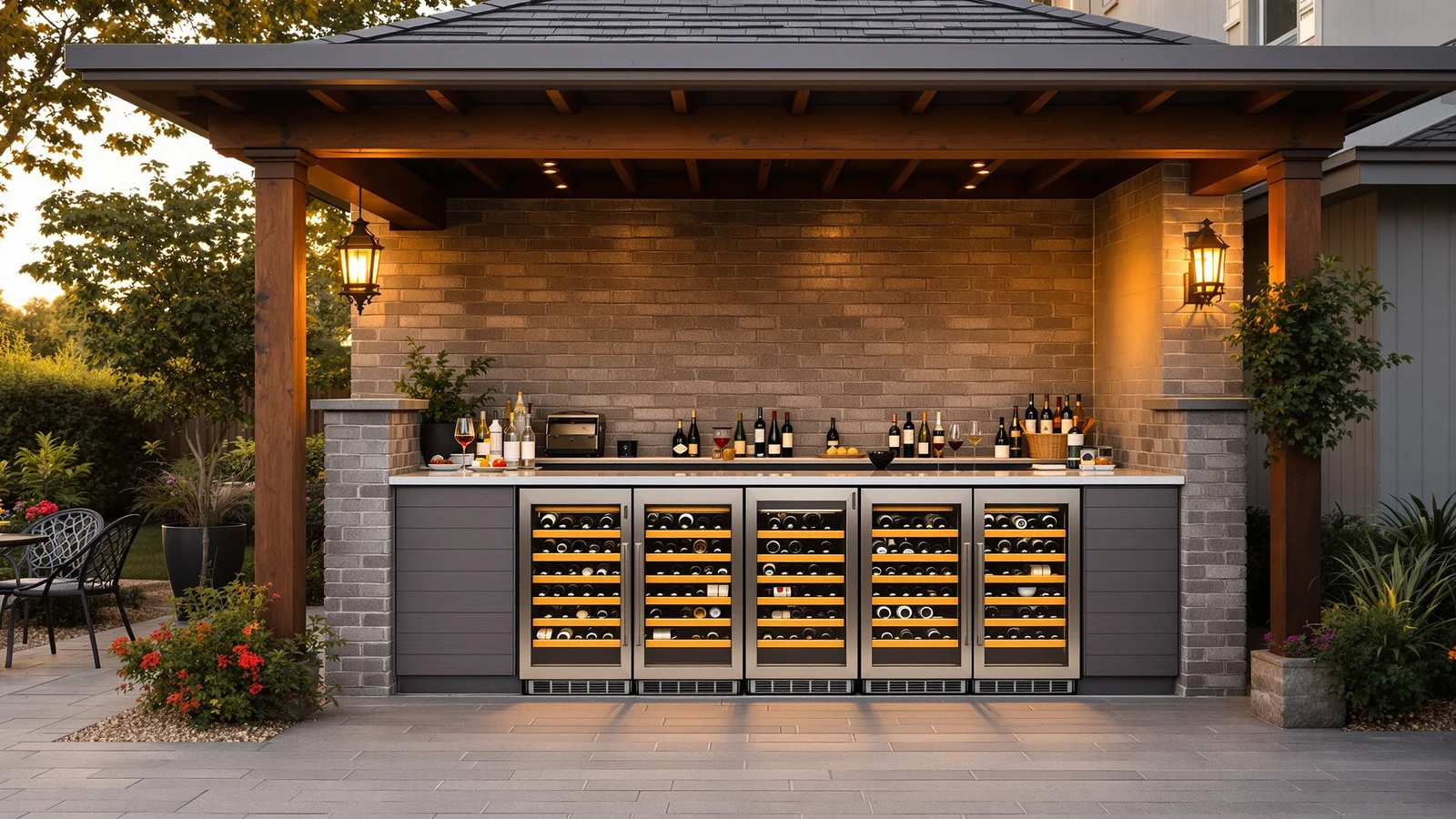 Buying guide
The Best Wine Fridges for a Garage or Outdoor Bar
Ambient heat is what kills cabinets. The units rated for it, and the temperature ceiling to respect.
 Buying guide
The Best Wine Fridges With a Lock
A lock matters in a shared house, an office or a rental. Which cabinets have a real one.
 Guide
GuideHow Long Wine Actually Lasts in a Wine Fridge
Opened, unopened, and the humidity question that decides whether the corks survive the wait.
 Guide
GuideWhat a Wine Fridge Costs to Run Per Year
A cabinet that never switches off. Here is the real annual figure, and the three things that move it most.
 Buying guide
The Best Wine Fridges for Red Wine
Reds want 55 to 65°F, and a surprising number of cabinets simply cannot get that warm.
 Guide
GuideWine Fridge Noise: What Is Normal, and What Ruins Wine
Compressor hum, thermoelectric fan whirr, and the vibration question that actually matters for ageing.
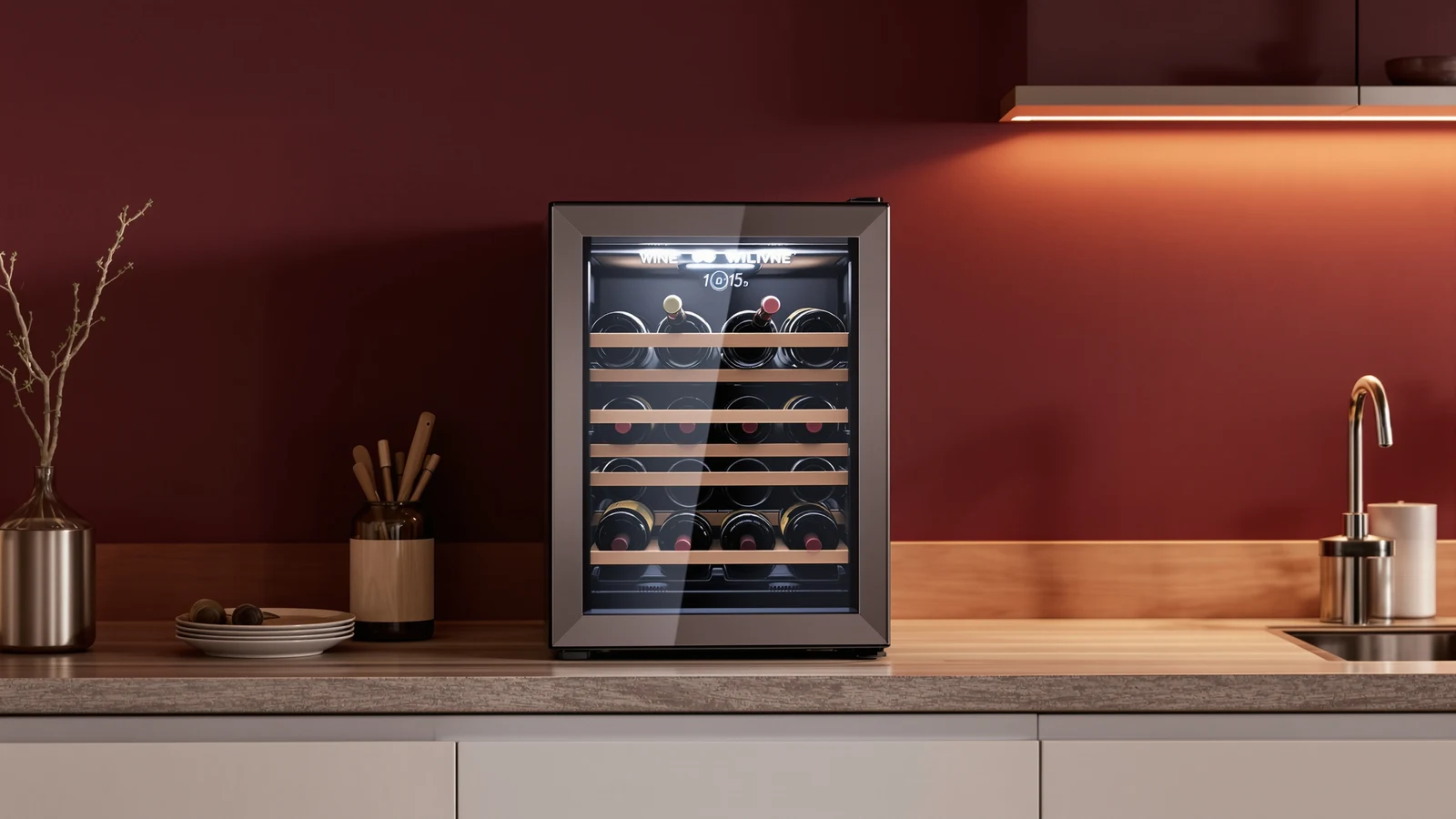 Buying guide
The Best Wine Fridges Under $300
Where the budget end genuinely holds up, and the two things it always gives away.
 How-to
How to Organize a Wine Fridge (So You Can Actually Find the Bottle)
Shelf-by-shelf logic, why the top and bottom of a cabinet are not the same temperature, and how to stop rearranging everything each time you buy a case.
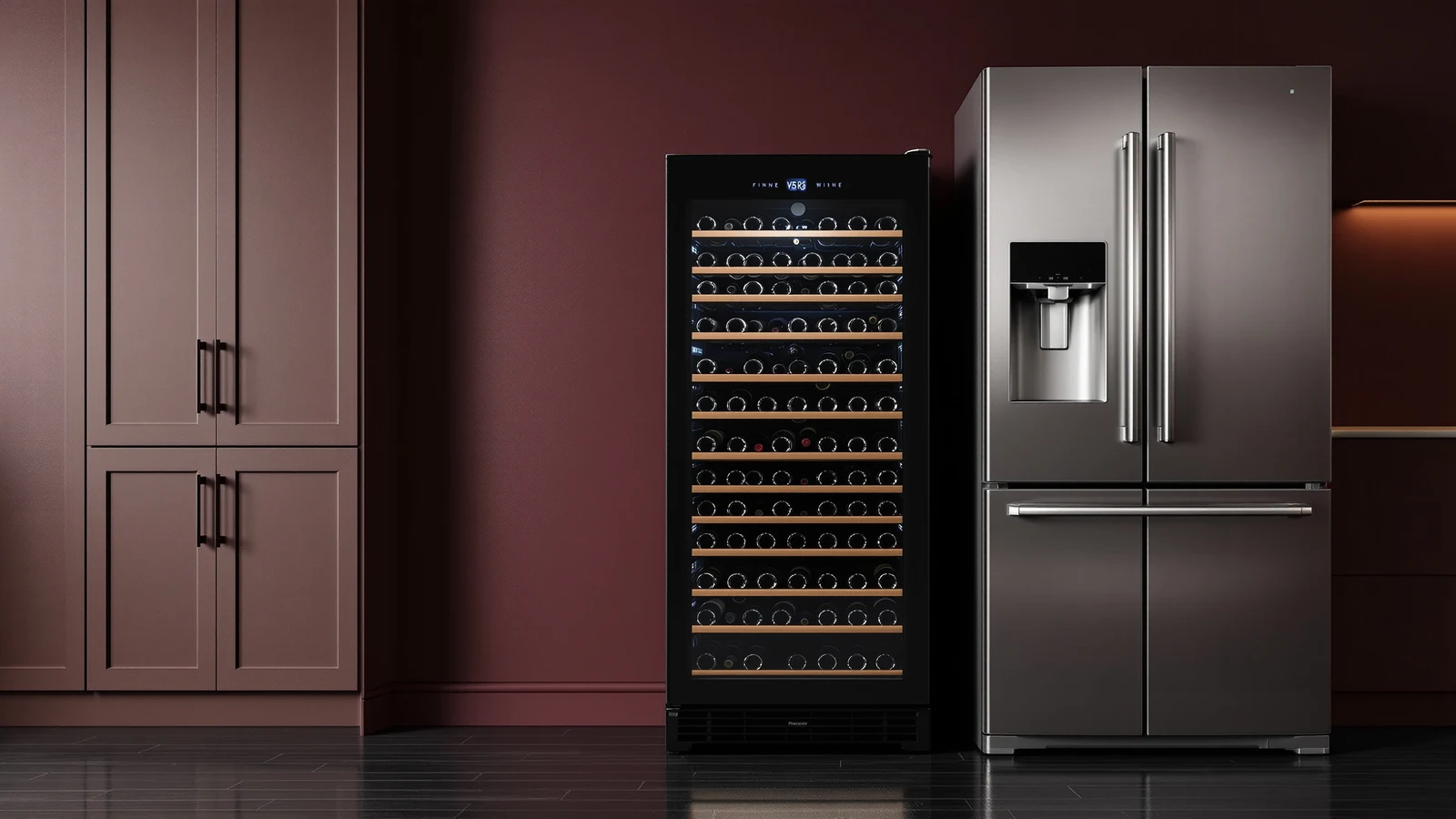 Comparison
Wine Fridge vs Kitchen Fridge vs Wine Cellar: Where Should Wine Actually Live?
Three storage options, three different failure modes. What each one does to a bottle over a week, a season and five years.
 How-to
Wine Fridge Humidity: What Matters, and What Is Marketing
Cork-sealed bottles want 50-70% humidity over years. For wine you will drink this season it barely matters. How to tell which situation you are in.
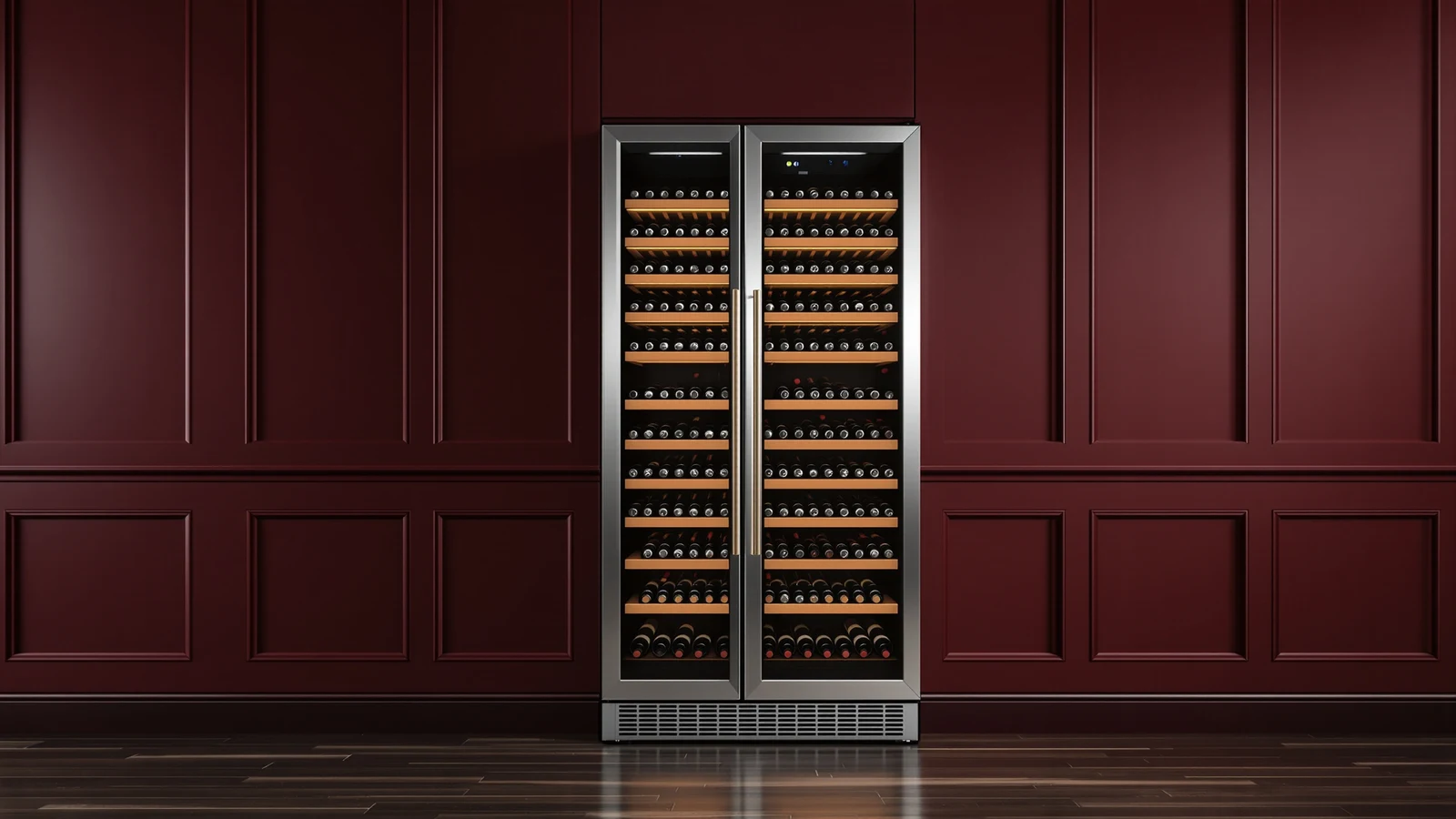 Roundup
The Best Large Wine Fridges (100 Bottles and Up)
At this size the specification that matters is fan-forced circulation, not bottle count. The cabinets that hold one even temperature top to bottom.
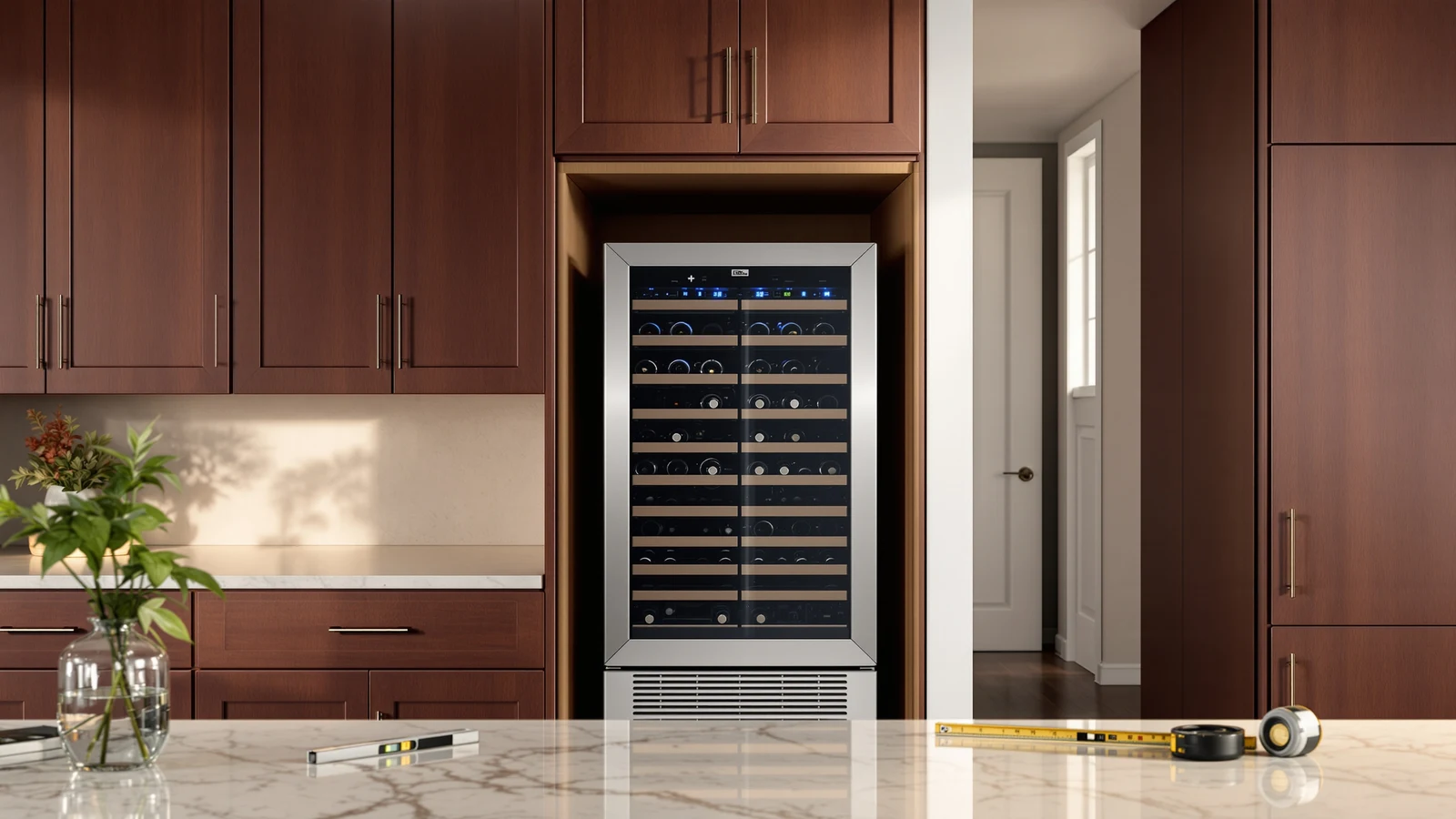 How-to
How to Install an Undercounter Wine Fridge
Measuring the opening, the clearances the manual actually requires, levelling the cabinet so the door self-closes, and the electrical checks worth making first.
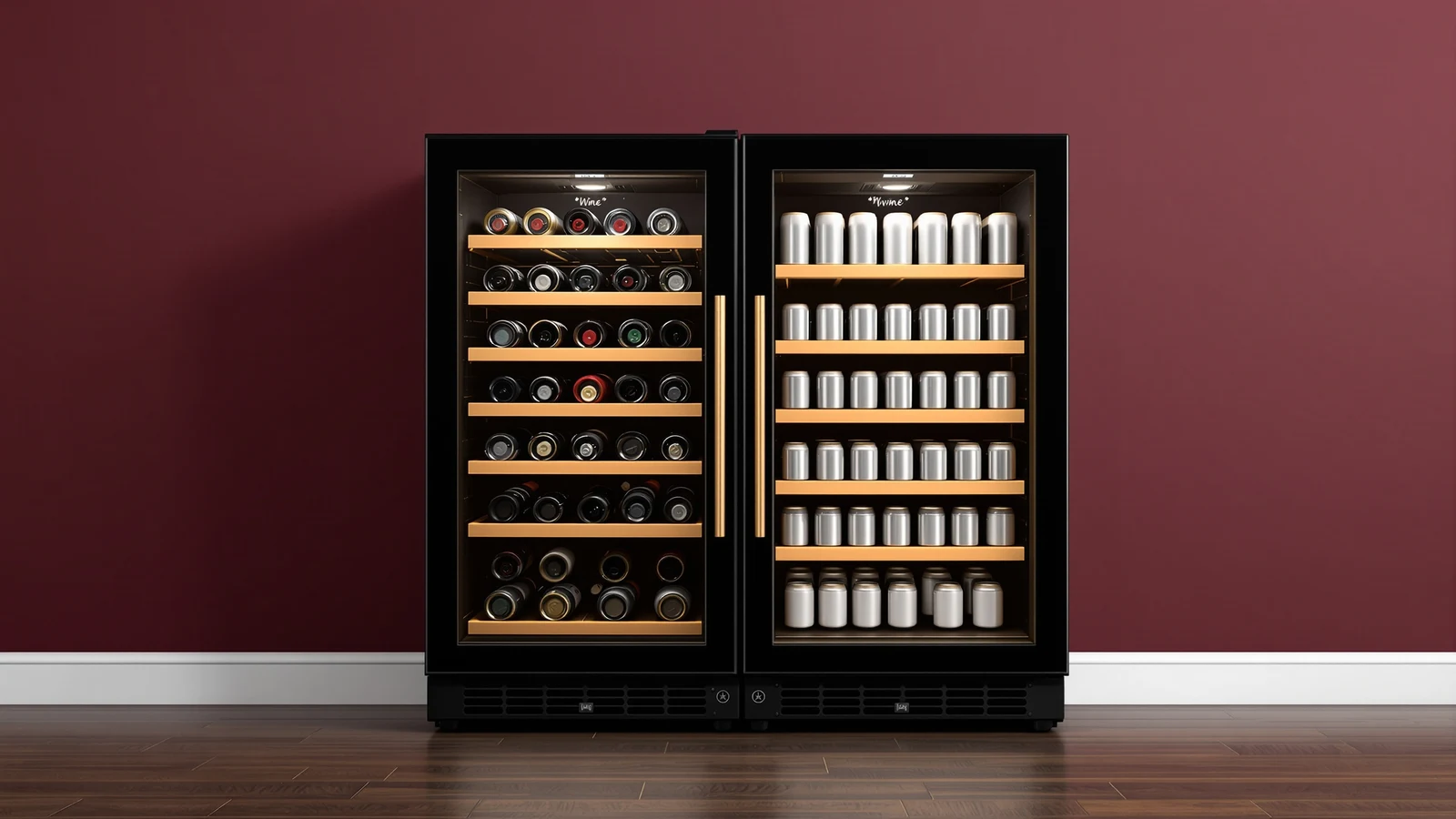 Roundup
The Best Wine and Beverage Refrigerators (Wine and Cans in One Cabinet)
One 24-inch cabinet, wine on one side at cellar temperature and cans on the other at drinking temperature. What the split really costs you in bottles.
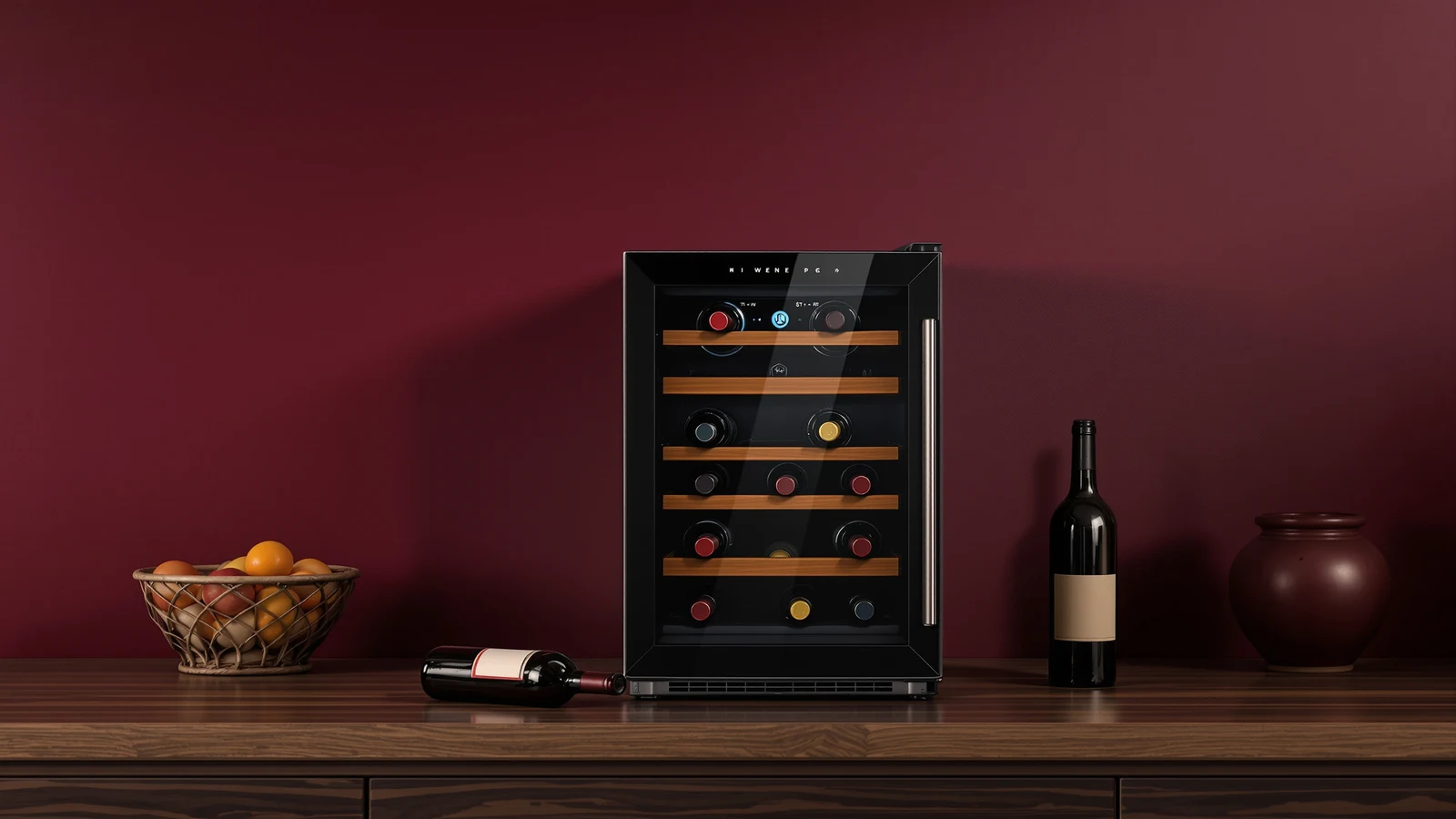 Honest take
Are Wine Fridges Worth It? An Honest Answer
For a case a month, probably not. For anything you intend to keep, the kitchen fridge and the kitchen counter are both doing quiet damage. Where the line actually falls.
 Roundup
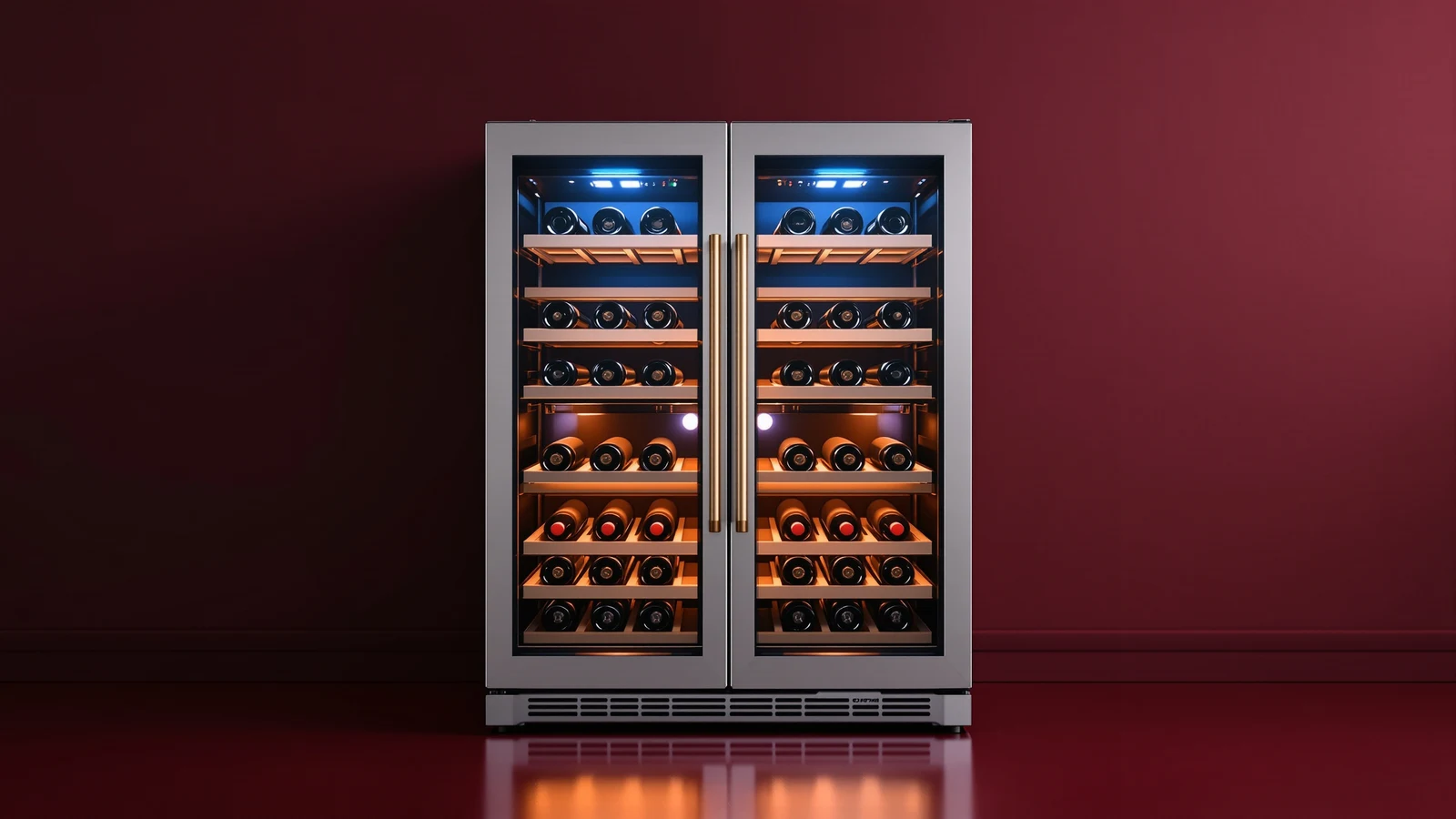
The Best Dual Zone Wine Fridges
Two genuinely independent zones, not two compartments sharing one compressor. The units where the second zone is worth what it costs you in bottles.
 Roundup
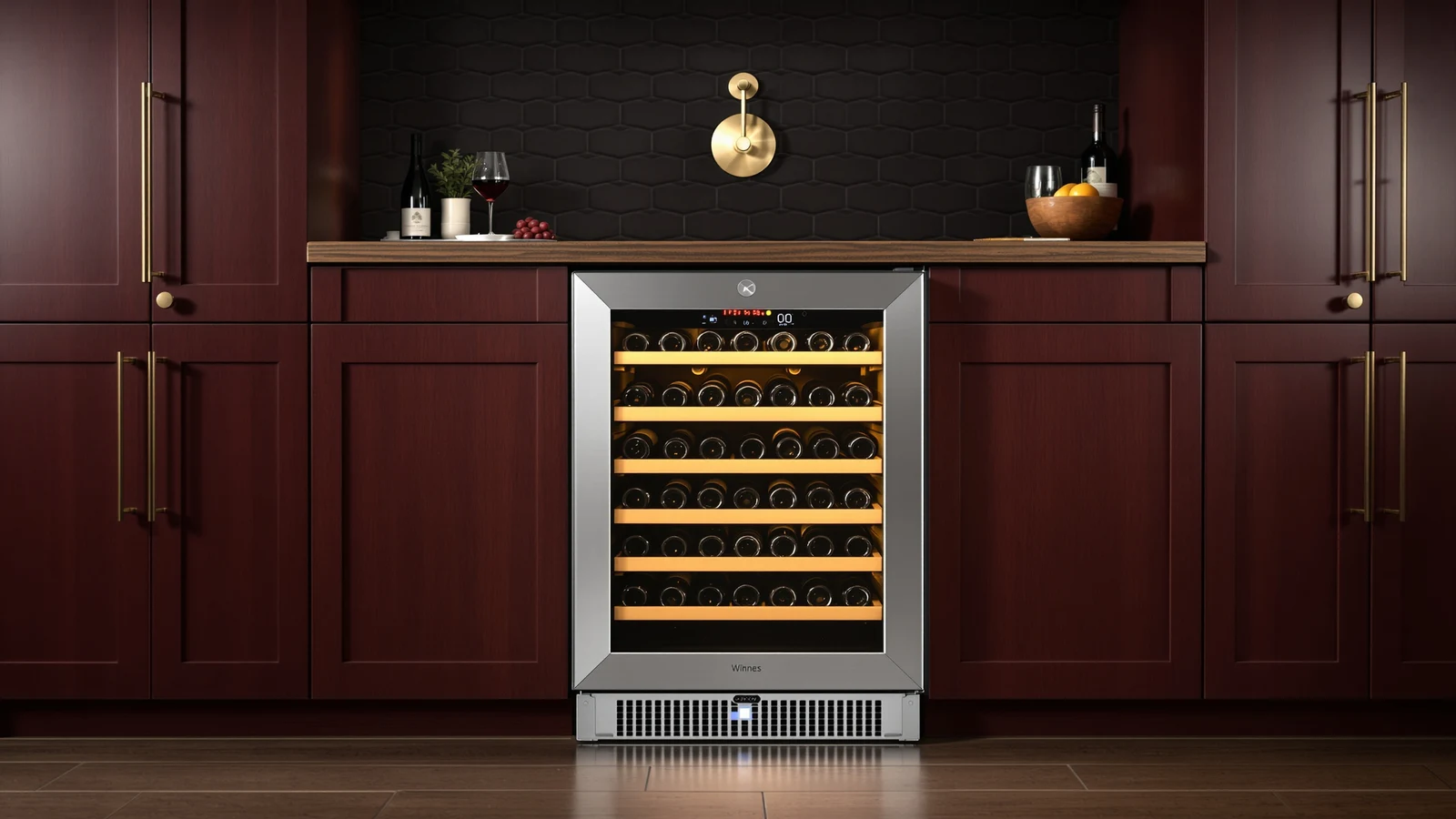
The Best 15-Inch Undercounter Wine Fridges
The standard cabinet opening is 15 inches. These are the front-venting units that genuinely belong in it — and what separates them at $260, $430 and $870.
 Buying advice
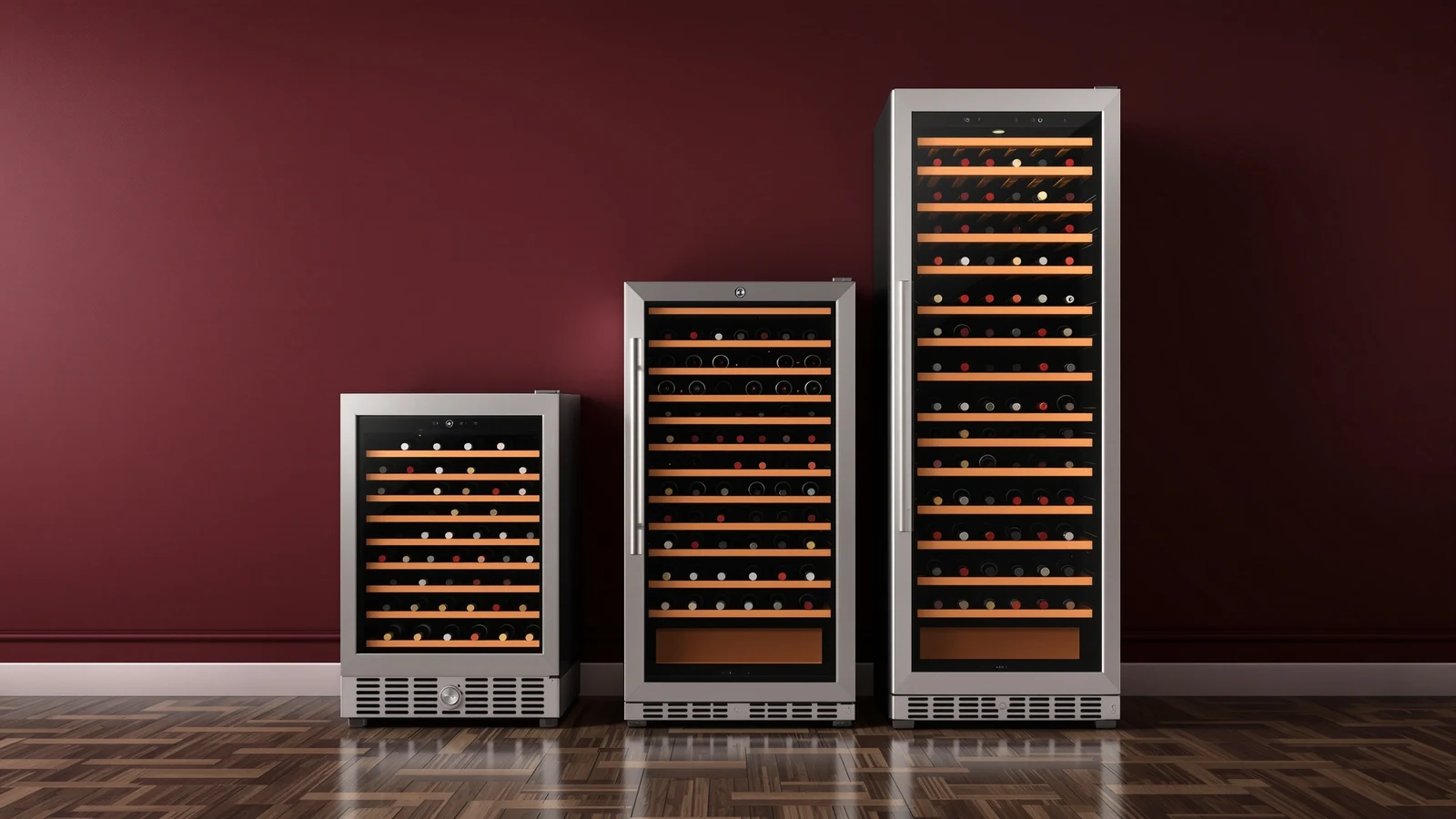
What Size Wine Fridge Do You Need? A Bottle-Count Reality Check
Advertised capacities assume slim Bordeaux bottles. Here is how to size a wine fridge for the bottles you actually own, and why buyers almost always go too small.
 Budget picks
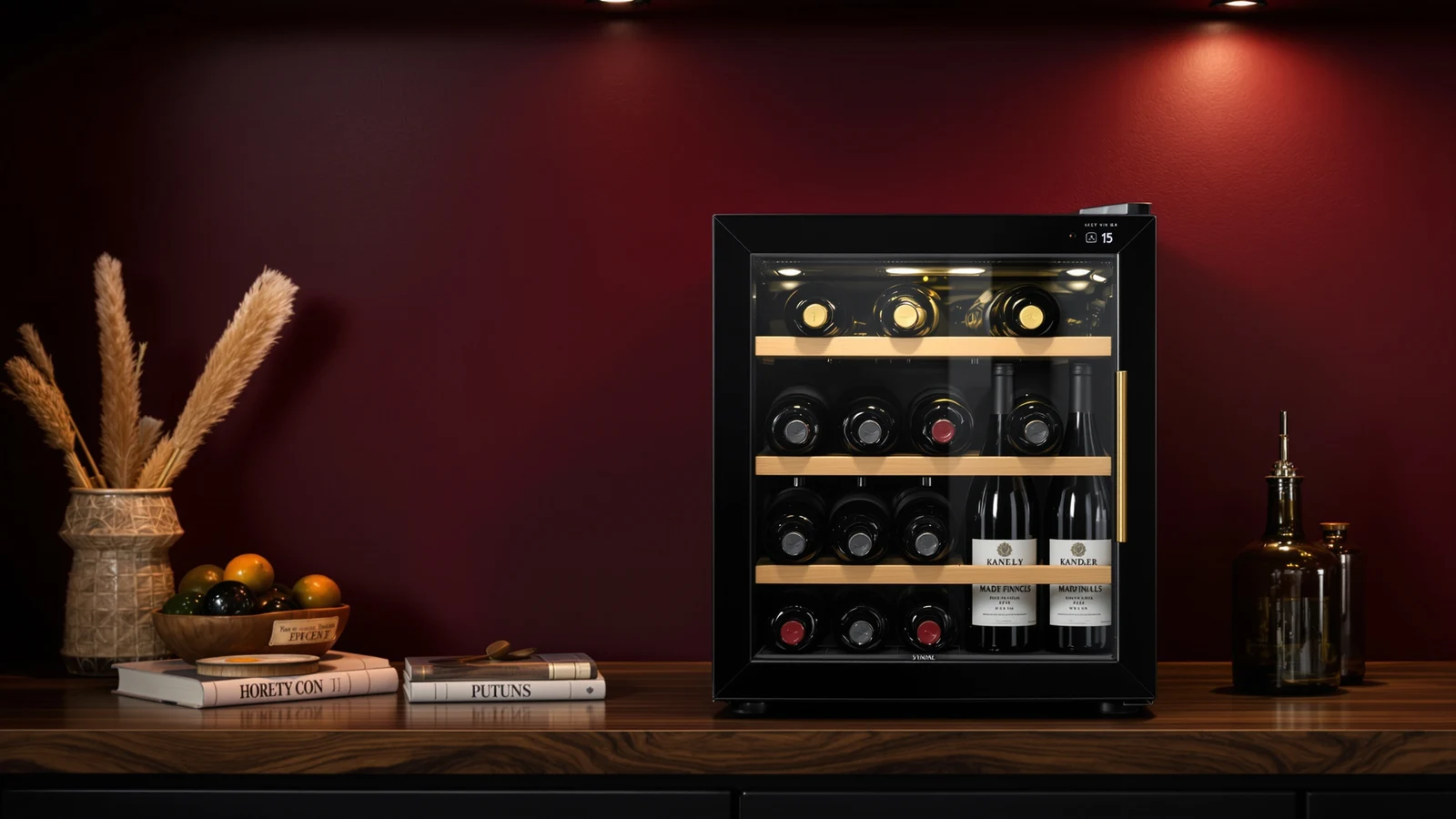
The Best Small Wine Fridges Under $200
What $110 to $190 actually buys in a countertop wine fridge — where the compromises land, and which cheap units are worth avoiding.
 Comparison
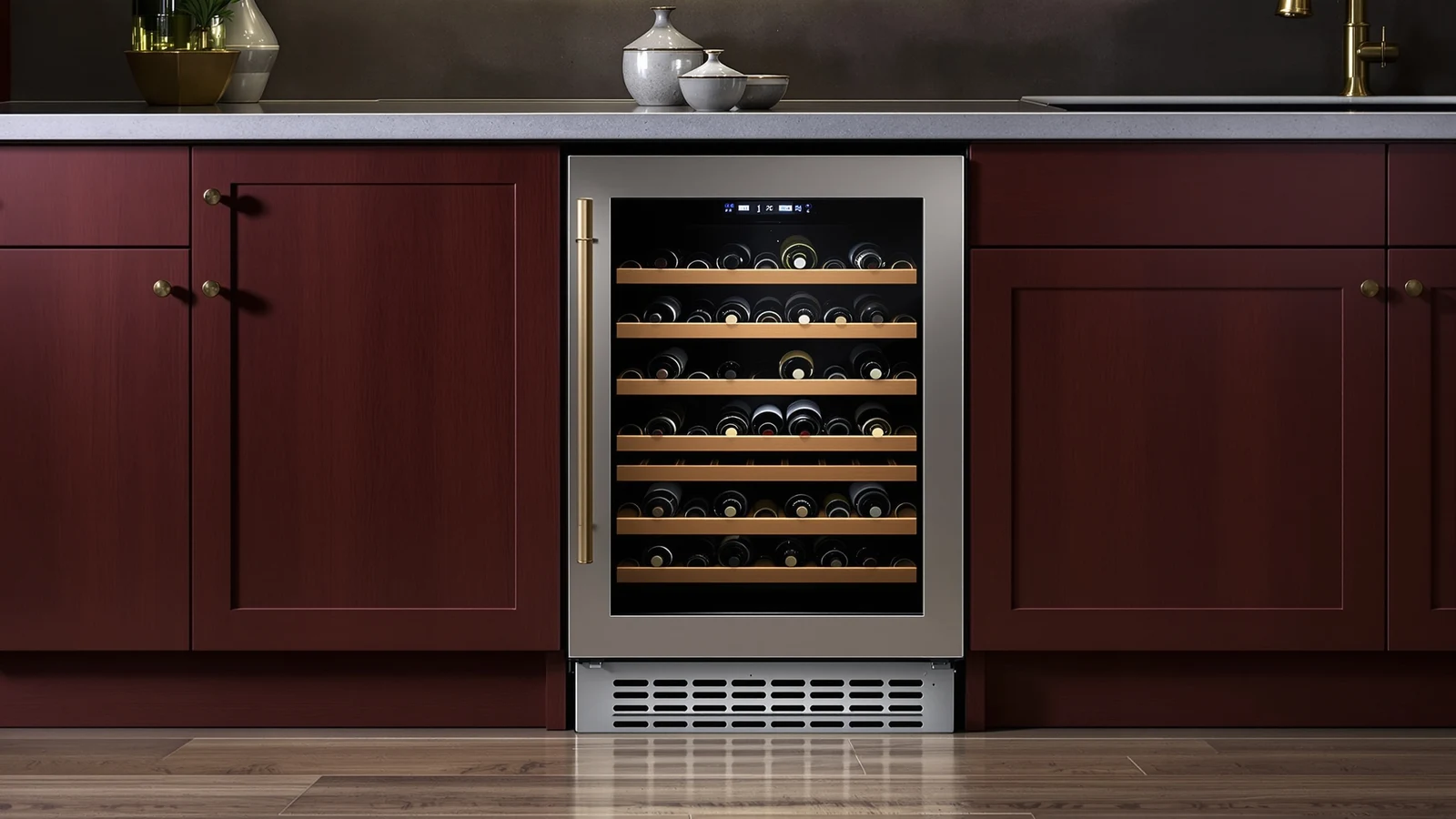
Built-In vs Freestanding Wine Fridges: The Mistake That Kills Compressors
Front-venting or rear-venting decides whether a wine fridge can go under a counter at all — and it is the most expensive thing buyers get wrong.
 Comparison
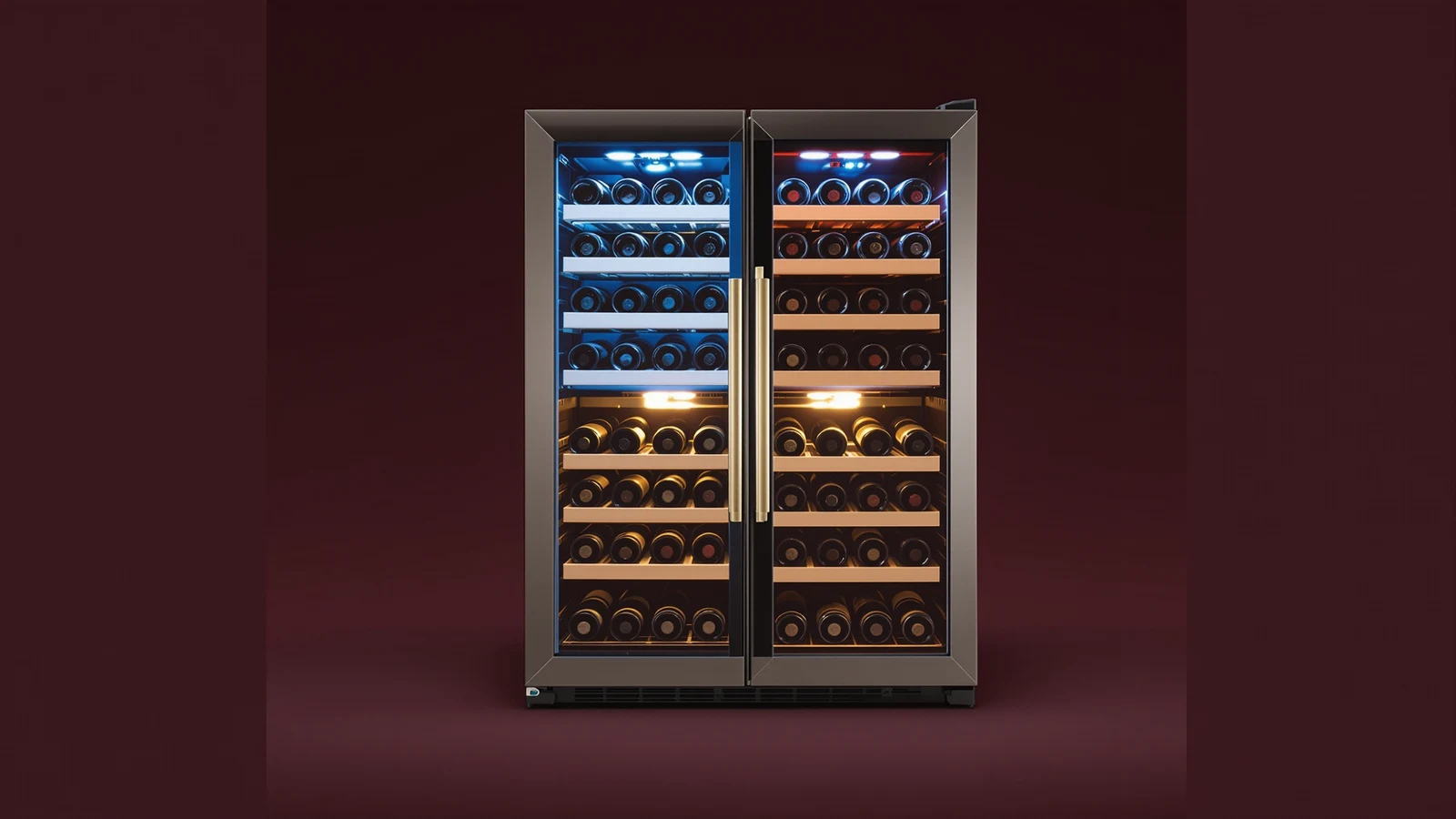
Dual Zone vs Single Zone Wine Fridges: Which Do You Actually Need?
Two zones sound better and cost more. Here is the honest test for whether your collection needs them — and what you give up in bottles either way.
 Comparison
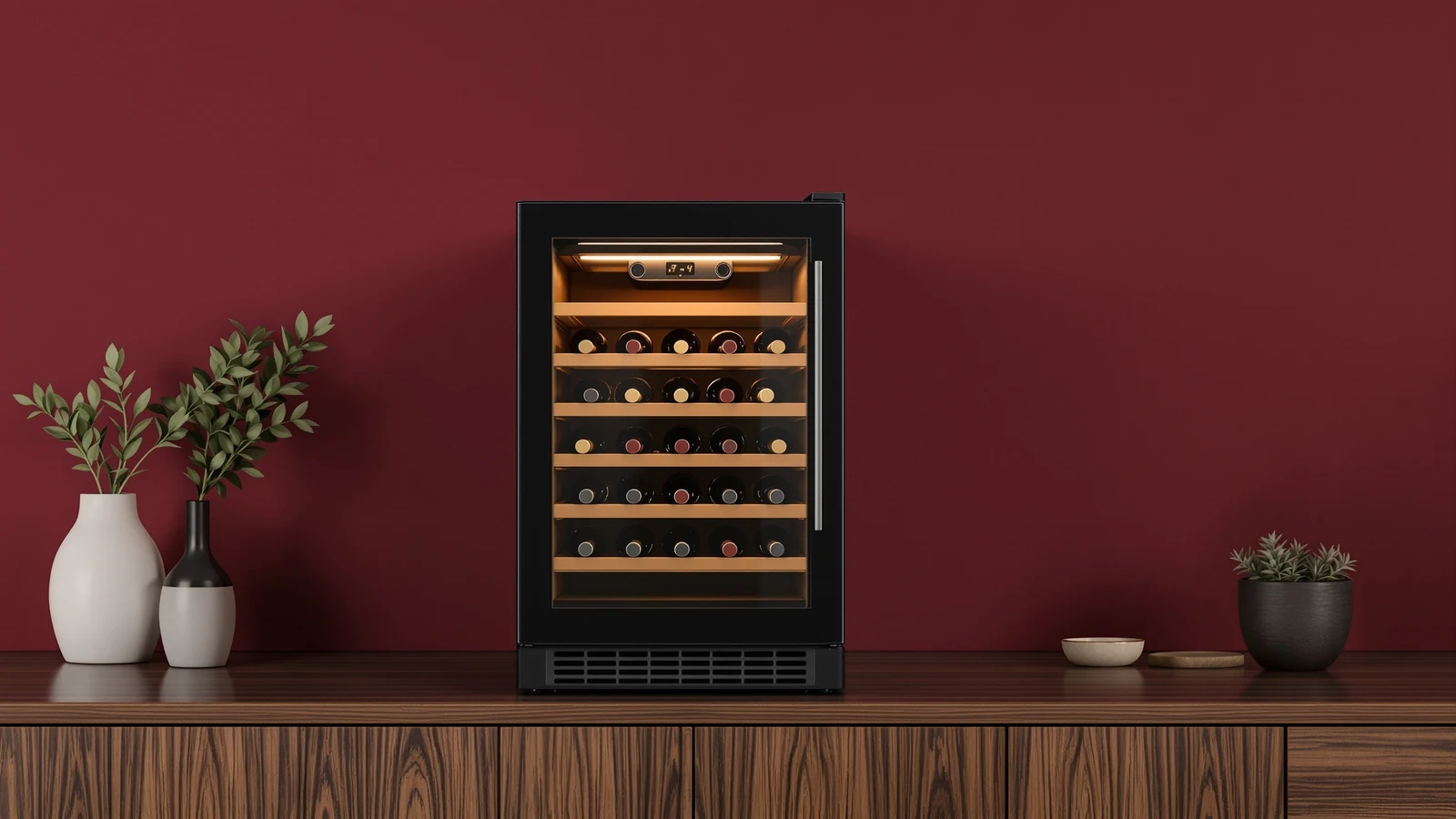
Thermoelectric vs Compressor Wine Coolers: Silence or Control
Thermoelectric units are near-silent and can only cool ~20°F below the room. Compressors hold any setpoint and hum. How to pick the right trade.
 Troubleshooting
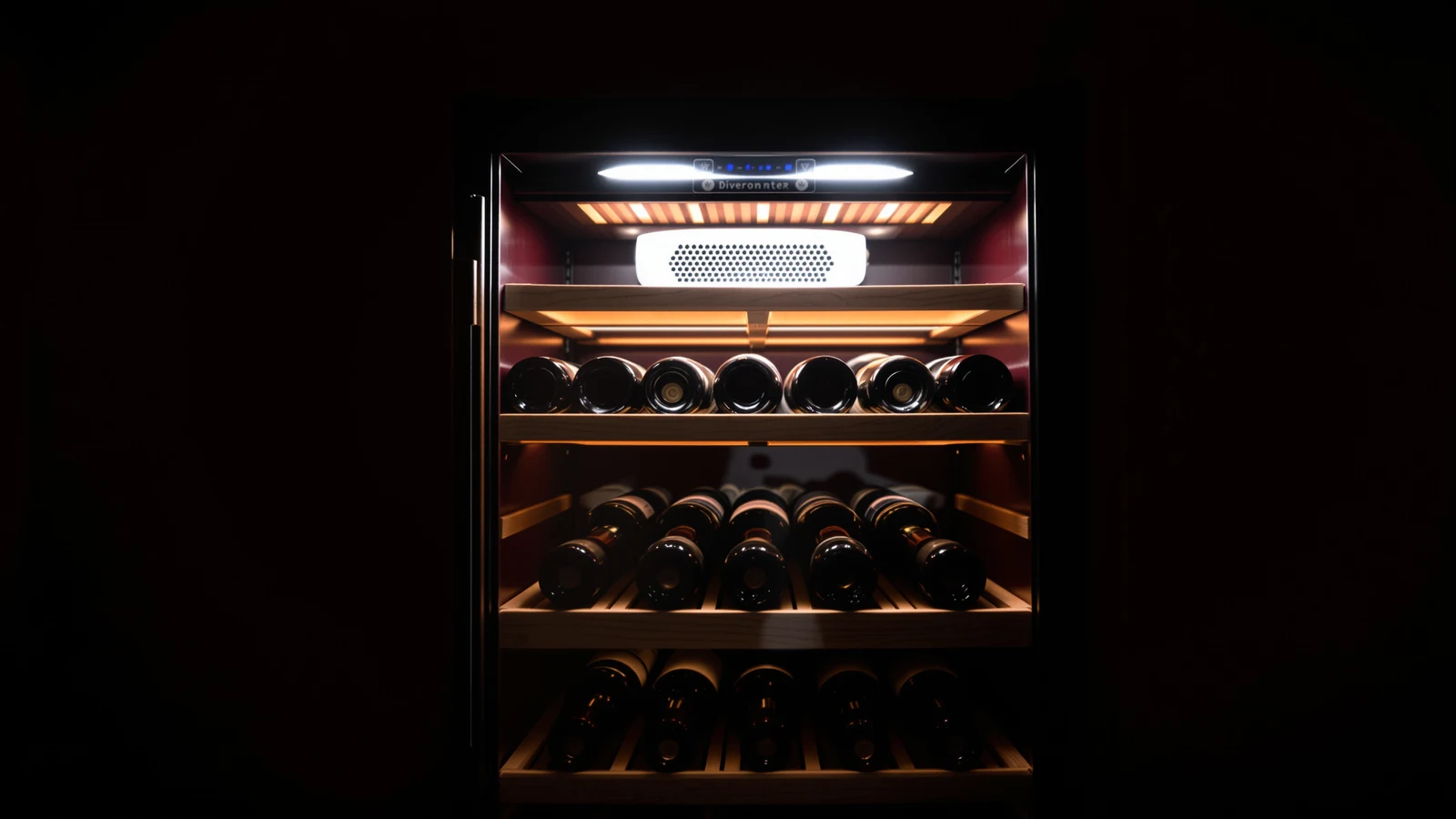
Wine Fridge Not Cooling? Work Through This Before You Replace It
Most 'broken' wine fridges are an airflow, ambient-temperature or door-seal problem. The checks that fix it, in the order worth trying.
 How-to
What Temperature Should a Wine Fridge Be? A Practical Guide
Serving temperatures versus storage temperatures, why 55°F is the default, and why chasing a perfect number matters less than holding a steady one.
From our networkThe other counter appliance worth getting right
Same approach, applied to espresso machines — what the spec sheet promises versus what owners actually live with.